Sourcing B7 Threaded Rod and 2H Heavy Hex Nuts | IIIBEAR
How to Source B7 Threaded Rod and 2H Heavy Hex Nuts for Petrochemical Projects
B7 threaded rod and 2H heavy hex nuts supplier selection has become a more strategic decision for petrochemical buyers, especially when shutdown schedules, expansion projects, and maintenance demand require fast delivery without sacrificing specification control. In refinery and chemical plant applications, these fasteners are used in bolted joints where reliability, compatibility, and procurement efficiency all matter. That is why many buyers now look for one source that can support both standard and custom requirements across multiple sizes and order types.
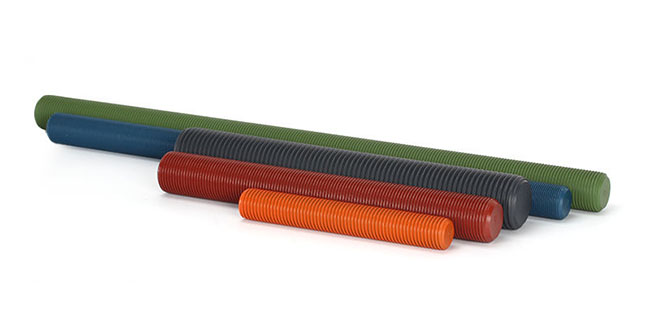
Why B7 threaded rod and 2H heavy hex nuts supplier choice matters
In petrochemical procurement, the cost of a fastening delay is often far greater than the cost of the fastener itself. A missing size, incorrect thread, damaged rod, or mismatched nut can slow installation, create rework, and affect maintenance planning. For that reason, buyers increasingly prefer suppliers that can provide a complete and organized supply solution rather than isolated part numbers. The ideal supplier understands specification requirements, packaging needs, order consolidation, and the timing pressure of industrial projects.
ASTM A193 B7 threaded rod and ASTM A194 2H heavy hex nuts are commonly specified together for flanged joints and other heavy-duty bolting assemblies. While the product pairing is familiar, real-world sourcing still requires attention to detail. Buyers often need to confirm diameter, thread form, rod length, finish, quantity split, and documentation before production or shipment begins. This becomes even more important when a purchase includes multiple plant areas, mixed package quantities, or both stock and custom items.
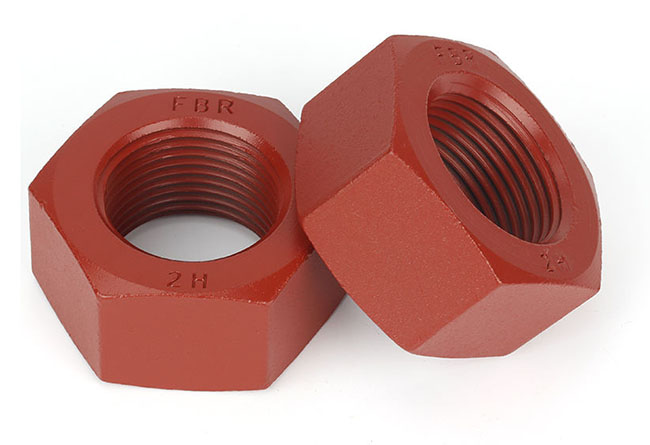
Standard supply, custom lengths, and mixed-order flexibility
One of the biggest challenges in petrochemical sourcing is that project demand rarely arrives in a simple format. A buyer may need standard threaded rod in common diameters for routine maintenance, but also special cut lengths for specific flange assemblies, skid packages, or engineering drawings. Ordering from multiple vendors can increase complexity, raise the risk of mismatched supply, and create communication gaps. A one-stop supplier helps reduce that friction.
For this reason, procurement teams often look for partners that can combine standard and custom fasteners under one order structure. That includes support for full-thread rod, cut-to-length supply, special packaging by size, and organized labeling for site distribution. It also helps when the supplier can manage both small urgent replenishment orders and larger scheduled project deliveries. Flexibility is especially valuable for distributors and contractors that serve multiple end users and cannot afford gaps in inventory coverage.
Beyond the product itself, order coordination matters. Mixed-order capability allows buyers to consolidate purchasing and streamline internal review. Instead of processing separate suppliers for each diameter or delivery schedule, they can manage more of the requirement through one experienced channel. This reduces purchasing workload and can improve consistency across received goods.
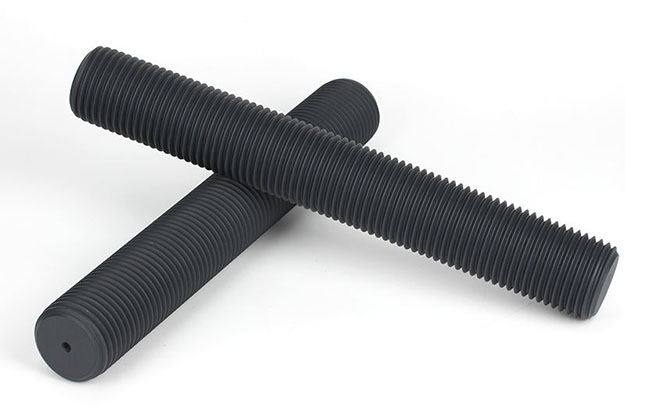
Technical clarity before order placement
Successful sourcing starts with clear technical communication. Buyers should confirm the applicable specifications, dimensions, thread details, and finish requirements before the order is finalized. In many cases, the issue is not whether the supplier has B7 threaded rod and 2H heavy hex nuts in principle, but whether the supplied combination matches the exact application. Petrochemical projects depend on details, and the purchasing process should reflect that.
A capable sourcing partner can help organize these details in a practical way. That includes reviewing rod length requirements, confirming whether the order is for general stock or project-specific use, and checking whether the nut type and thread fit align with the intended assembly. Where buyers operate across different markets, clear export packing and document handling may also be part of the requirement. These support factors are often overlooked until a shipment is delayed or site sorting becomes difficult.
Procurement teams also benefit from suppliers that understand the difference between distribution needs and end-use needs. Stockists may prioritize turnover, packaging, and SKU clarity, while end users may focus more on traceability, dimensional consistency, and installation readiness. A supplier that serves both types of customers is usually better prepared to support broader sourcing programs.
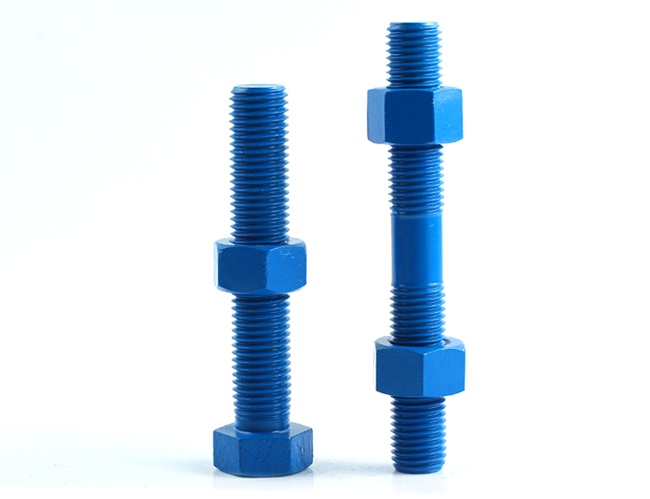
Supply continuity and project support
Petrochemical maintenance cycles can create sudden pressure on lead times. When plant outages or urgent replacements occur, buyers need responsive supply channels that can adapt quickly. In these situations, supply continuity becomes as important as price. A supplier with a broad product range and stable coordination capability can help customers respond to demand spikes without constantly restarting the sourcing process from zero.
This is where a company such as IIIBEAR Fastener fits well into petrochemical procurement planning. Buyers looking for a one-stop sourcing approach often value access to standard industrial fasteners, custom requirements, and organized export support from a single partner. That type of service can simplify the purchasing path for contractors, distributors, and plant maintenance teams that want fewer supply interruptions and clearer order management.
Another practical benefit of consolidated sourcing is repeatability. Once a supplier understands the customer’s preferred specifications, packaging style, and ordering pattern, future purchases become easier to manage. This supports more predictable procurement for ongoing maintenance as well as better readiness for project work. In industries where downtime can be expensive, repeatable supply processes help reduce unnecessary risk.
How buyers can evaluate the right supplier
When evaluating a B7 threaded rod and 2H heavy hex nuts supplier, buyers should consider more than basic availability. A stronger supplier can usually demonstrate familiarity with industrial applications, support for multiple order types, clearer communication on specifications, and the ability to organize deliveries for practical use. It is also helpful when the supplier can align stock products with custom production so the buyer does not need to split procurement between unrelated sources.
For petrochemical fastener purchases, the best sourcing result often comes from balancing technical fit, delivery coordination, and long-term purchasing efficiency. A low-cost offer may not provide the documentation, organization, or flexibility needed for real industrial use. By contrast, a supplier with wider product coverage and better project support can reduce administrative burden and improve consistency across orders.
B7 threaded rod and 2H heavy hex nuts will continue to be a key fastening combination for refinery and chemical plant applications. As demand becomes more time-sensitive, buyers gain an advantage by working with suppliers that combine product knowledge, broad sourcing capability, and support for both standard and custom requirements. In petrochemical procurement, that combination helps create a smoother path from quotation to installation.

Related products: Studs and Rods, Nuts

