Cement Screws: Essential for Concrete and Masonry | IIIBEAR
Cement Screws: The Essential Fastener for Concrete and Masonry Applications
Cement screws are designed to fasten materials securely to concrete or masonry surfaces. Unlike regular wood or metal screws, cement screws are built to handle the hard, dense nature of concrete and brick, making them a go-to solution for a wide range of applications. These screws feature specialized threads that enable them to grip the surface of concrete or masonry securely, ensuring long-lasting results for both industrial and DIY projects.
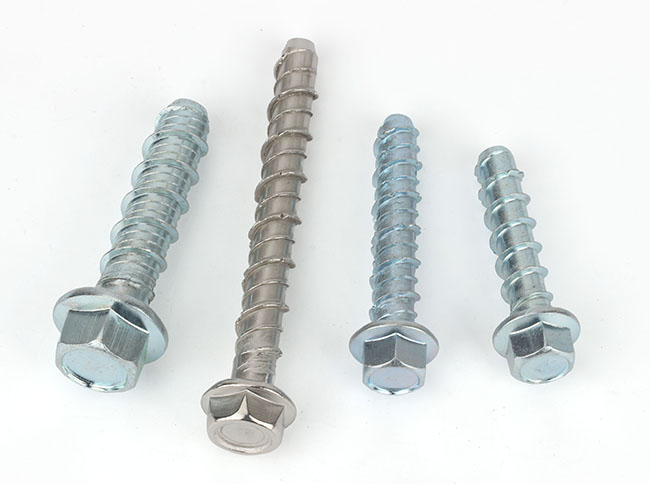
In this article, we will explore the applications, types, advantages, and selection criteria for cement screws. We will also discuss why they are ideal for projects involving concrete or masonry surfaces. Common Google searches related to cement screws include “cement screws for masonry,” “how to use cement screws,” “best cement screws for concrete,” and “concrete screw vs regular screw.”
What Are Cement Screws?
Cement screws are self-tapping screws specifically designed for anchoring into concrete or masonry materials. Unlike standard wood or metal screws, cement screws are made from hardened steel and feature unique threads that allow them to drill into tough surfaces without the need for a pre-drilled hole. These screws often come with a corrosion-resistant coating to withstand exposure to moisture and outdoor elements.
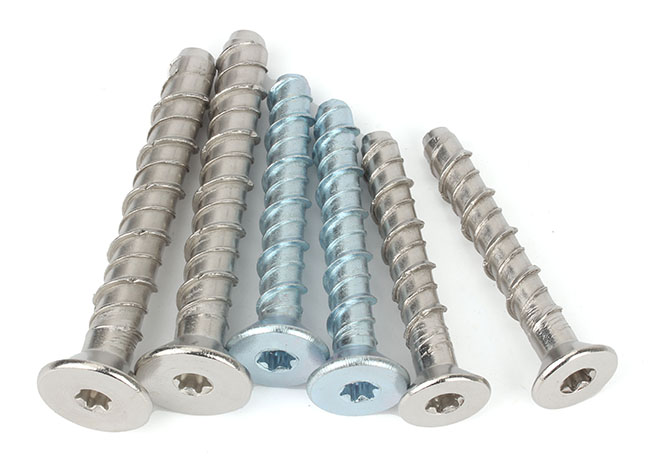
The most common type of cement screw features a sharp, spiral thread designed to bite into the concrete, providing a secure and reliable hold. Some cement screws also come with a hexagonal head, while others feature a flat or round head, depending on the application and the type of material being fastened.
Applications of Cement Screws
Cement screws are widely used in a variety of applications across different industries. Here are some common uses:
- Construction: Cement screws are used to attach materials like metal, wood, and plastic to concrete or masonry surfaces in construction projects. They are commonly used for fastening framing, windows, doors, and fixtures in both residential and commercial buildings.
- Home Improvement: For DIY projects, cement screws are perfect for securing items like shelves, brackets, and light fixtures to concrete walls or floors. They make it easy to work with tough materials without requiring expensive or complicated tools.
- Outdoor Installations: Cement screws are ideal for outdoor applications where durability and strength are critical. These screws are commonly used to secure fences, outdoor lighting, mailboxes, and more to concrete or brick surfaces.
-
Industrial Applications: In industries that require secure, permanent fastenings, such as automotive and manufacturing, cement screws offer a reliable solution for fixing components to concrete or brick foundations.
Types of Cement Screws
There are different types of cement screws designed for specific applications. The most common types include:
- Standard Cement Screws: These are the most commonly used cement screws, typically featuring a sharp spiral thread design and a corrosion-resistant coating. They are ideal for most general construction applications where concrete or masonry needs to be securely fastened.
- Heavy-Duty Cement Screws: Designed for larger, more demanding projects, these screws are used for fastening heavier materials to concrete or masonry. They often feature larger diameters and stronger coatings to ensure maximum strength and durability.
- Self-Drilling Cement Screws: These screws are designed with a drill point that allows them to create their own hole in the concrete as they are driven in. This feature eliminates the need for pre-drilling, making them ideal for quick installations.
-
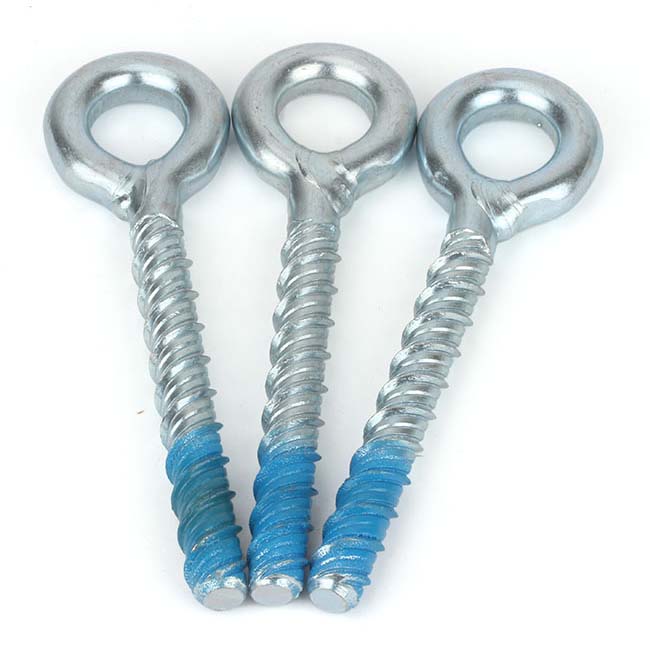
Corrosion-Resistant Cement Screws: For outdoor or high-moisture environments, cement screws with a corrosion-resistant coating (such as zinc plating or epoxy coating) are essential to prevent rust and maintain the fastener's strength over time.
Advantages of Cement Screws
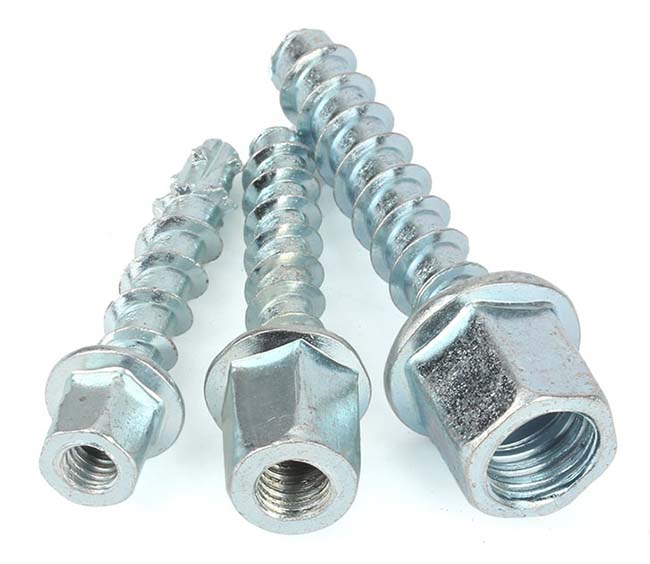
Cement screws offer a range of advantages over traditional fasteners, especially when working with concrete and masonry surfaces. Here are some key benefits:
- Easy to Use: Cement screws are simple to install. They don’t require anchors, plugs, or any additional hardware, making them a cost-effective and efficient solution for fastening materials to concrete.
- Strong and Secure: The threads on cement screws provide a strong grip in concrete and masonry, ensuring that fastened materials stay in place, even under pressure or vibrations.
- Corrosion Resistance: Many cement screws are coated with a corrosion-resistant material, making them ideal for outdoor and industrial environments where exposure to moisture and chemicals is common.
- Cost-Effective: Cement screws are a more affordable option compared to other types of fasteners that require additional parts, like anchors or plugs, making them a practical choice for both professionals and DIY enthusiasts.
- Versatility: Cement screws can be used for a variety of materials, including wood, metal, plastic, and more, making them a versatile solution for many applications.
How to Choose the Right Cement Screw
When selecting a cement screw for your project, there are a few factors to consider:
- Material: Determine the material you need to fasten to the concrete. Some screws are designed for wood, while others are made specifically for metal or plastic. Make sure you select the right type for your material.
- Length and Diameter: Choose a screw with the appropriate length and diameter for the depth and thickness of the material you’re fastening. The screw should penetrate deep enough into the concrete to provide a strong hold.
- Corrosion Resistance: If the application is outdoors or in a moist environment, make sure to select screws with a corrosion-resistant coating, such as zinc or epoxy coating.
- Thread Design: Consider the type of threads the screw has. Some screws have coarse threads for use in softer materials, while others have finer threads for greater holding power in tougher surfaces.
Cement Screws from IIIBEAR Fastener
At IIIBEAR Fastener, we offer a wide range of high-quality cement screws for various applications. Whether you need screws for light-duty DIY projects or heavy-duty industrial installations, we have the right fasteners to meet your needs. Our cement screws are designed to provide a secure, long-lasting hold in concrete, masonry, and other tough materials. Contact us today to learn more about our cement screw products and how we can help with your next project.
Conclusion
Cement screws are essential fasteners for securely attaching materials to concrete and masonry surfaces. With their strong grip, easy installation, and corrosion resistance, they are the go-to solution for a variety of construction and DIY projects. Whether you’re working on a simple home improvement project or a large-scale industrial job, cement screws offer a reliable, cost-effective solution. At IIIBEAR Fastener, we offer a wide selection of cement screws to suit any need. Get in touch with us today to find the perfect fasteners for your project.

Related products: Screws

