What Fasteners Does the New Energy Industry Need?
What Fasteners Does the New Energy Industry Need?
New energy fasteners are essential components used to assemble, secure, and maintain solar power systems, wind turbines, electric vehicles, battery energy storage equipment, charging stations, and other renewable energy infrastructure. Although fasteners are relatively small compared with major energy equipment, their material, strength, coating, dimensional accuracy, and resistance to environmental conditions can directly affect equipment reliability and maintenance requirements.
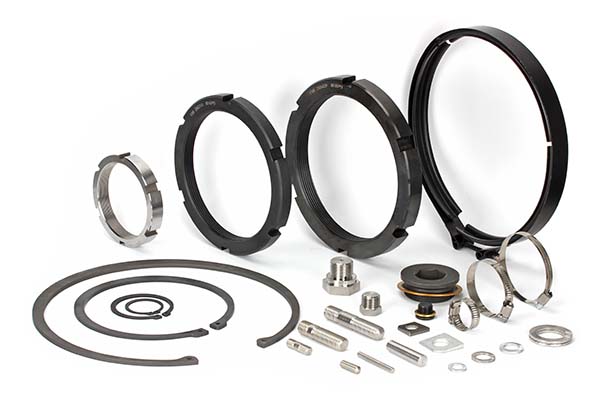
Different new energy applications require different bolts, nuts, screws, washers, threaded rods, rivets, and custom fastening components. Buyers therefore need to evaluate the operating environment, mechanical load, material compatibility, installation method, and applicable standards before selecting a fastening solution.
Key Performance Requirements for New Energy Fasteners
Fasteners used in renewable energy projects often operate outdoors, inside battery systems, or in equipment exposed to vibration, temperature changes, moisture, chemicals, and electrical currents. Standard commercial fasteners may not always provide the required performance.
Mechanical Strength and Load Capacity
Structural connections in wind turbines, solar mounting systems, and energy equipment may experience static loads, cyclic loads, vibration, and impact. High-strength carbon steel or alloy steel bolts are commonly considered for load-bearing joints. The appropriate property class or grade should be selected according to the equipment design, joint configuration, preload requirement, and engineering specification.
Using a stronger bolt does not automatically create a more reliable connection. The bolt, nut, washer, mating materials, tightening method, and thread engagement must work together as a complete fastening system.
Corrosion Resistance
Many renewable energy installations are exposed to rain, humidity, coastal air, industrial pollution, and large temperature variations. Corrosion-resistant fasteners can help reduce surface deterioration, thread seizure, joint weakening, and maintenance frequency.
Common options include stainless steel fasteners, hot-dip galvanized bolts, zinc-plated fasteners, zinc-nickel coatings, mechanical galvanizing, and application-specific protective finishes. The correct finish depends on the service environment, expected life, mating material, installation process, and project requirements.
Vibration and Loosening Resistance
Wind turbines, electric motors, charging equipment, battery modules, and mobile energy systems can create continuous vibration. Engineers may use prevailing-torque nuts, all-metal lock nuts, serrated flange bolts, wedge-locking washers, thread-locking products, or specially designed locking fasteners to reduce the risk of loosening.
The locking method should be selected according to temperature, serviceability, tightening control, electrical requirements, and whether the joint will need regular disassembly.
New Energy Fasteners for Solar Power Systems
Solar panel fasteners are used in rooftop photovoltaic systems, ground-mounted solar farms, tracking systems, inverter cabinets, cable management assemblies, and mounting structures. Typical products include hex bolts, T-bolts, hanger bolts, self-drilling screws, machine screws, flange nuts, channel nuts, washers, rivets, and threaded rods.
Solar Mounting and Racking Connections
Solar mounting structures require fasteners that can secure rails, clamps, brackets, base plates, and support frames. Stainless steel is often considered for exposed connections because of its corrosion resistance, while coated carbon steel may be used where higher mechanical strength or project-specific cost control is required.
Fasteners installed with aluminum rails and frames should also be evaluated for material compatibility. Isolation washers, suitable coatings, or carefully selected stainless steel grades may help manage galvanic corrosion risks in demanding environments.
Rooftop Installation Fasteners
Rooftop solar projects may require hanger bolts, sealing washers, self-drilling screws, and roof-specific anchoring components. These products must provide mechanical retention while supporting effective weather sealing. Dimensions, thread design, washer material, and installation torque should match the roof structure and mounting system.
Fasteners for Wind Energy Equipment
Wind turbine bolts are used in tower sections, flanges, nacelles, hubs, blades, gearboxes, generators, access platforms, and internal equipment. These applications may involve heavy loads, repeated stress, vibration, and difficult maintenance conditions.
Large-diameter high-strength bolts, heavy hex nuts, structural washers, studs, threaded rods, and precision-machined fastening components are frequently required. Depending on the joint design, buyers may need controlled mechanical properties, dimensional inspection, thread verification, coating compatibility, and documented production traceability.
Tower and Flange Connections
Tower flange joints require fasteners with consistent strength and dimensional accuracy. Reliable preload is important because the joint must remain stable under changing wind loads. Bolt lubrication, coating thickness, nut compatibility, washer hardness, and tightening procedures can all influence the final clamping force.
Internal Turbine Components
Smaller screws, bolts, lock nuts, retaining rings, and washers are used throughout the nacelle, control systems, electrical cabinets, braking systems, and service platforms. These fasteners may require corrosion protection, vibration resistance, or special head designs for restricted installation spaces.
EV Battery Fasteners and Energy Storage Applications
EV battery fasteners are used to assemble battery packs, module frames, cooling components, battery trays, busbar supports, protective covers, electronic control units, and vehicle structures. Battery energy storage systems use similar fastening products in cabinets, racks, cooling systems, electrical enclosures, and containerized installations.
Lightweight and Compact Fastening Solutions
Electric vehicle manufacturers often aim to reduce weight while maintaining structural strength. This creates demand for compact screws, high-strength bolts, aluminum fasteners, stainless steel components, rivet nuts, clinching fasteners, and custom cold-formed parts.
Material selection must consider joint strength, electrical conductivity, corrosion, temperature, vibration, and compatibility with aluminum or composite structures. Custom head shapes, reduced dimensions, captive designs, and automated assembly features may also be required.
Electrical and Thermal Considerations
Fasteners located near electrical connections may need controlled conductivity, insulation, non-magnetic properties, or resistance to heat and cooling cycles. Insulating washers, coated fasteners, non-metallic components, or specially selected stainless steel grades may be used where appropriate.
Because battery systems contain sensitive electrical and thermal components, fastening decisions should be coordinated with the complete joint design rather than based only on bolt size or strength.
Fasteners for Charging Stations and Hydrogen Equipment
Electric vehicle charging stations require screws, bolts, nuts, anchors, washers, and security fasteners for enclosures, internal electrical assemblies, mounting bases, cable systems, and outdoor structures. Fasteners may need corrosion resistance, tamper resistance, electrical compatibility, and easy maintenance access.
Hydrogen production, storage, and distribution equipment presents additional material challenges. Fasteners used in hydrogen-related systems must be selected carefully because material condition, stress level, temperature, and exposure environment can influence performance. Engineering review and application-specific material verification are especially important for pressure-containing or safety-critical connections.
How to Select Renewable Energy Fasteners
When sourcing renewable energy fasteners, buyers should provide complete technical information rather than requesting only a general product name. Important details include fastener type, material, grade or property class, dimensional standard, thread specification, size, finish, coating, quantity, inspection requirement, and intended application.
Additional information about temperature, humidity, salt exposure, vibration, electrical contact, installation tools, tightening method, and expected maintenance can help suppliers recommend a more suitable product.
For custom parts, technical drawings should clearly define dimensions, tolerances, materials, heat treatment, surface finish, thread requirements, inspection points, and packaging expectations. Early communication can reduce misunderstandings and help confirm whether cold heading, hot forging, machining, stamping, or a combined manufacturing process is appropriate.
Standard and Custom Fastener Supply for New Energy Projects
New energy manufacturers often need both standard catalog products and application-specific components. Standard fasteners can simplify sourcing and replacement, while custom fasteners can improve assembly efficiency, reduce component count, fit limited installation spaces, or meet special mechanical requirements.
Flybear supports global buyers with a broad range of standard and custom fasteners for industrial applications. Product selection can include bolts, nuts, screws, washers, threaded rods, rivets, anchors, and drawing-based components in different materials, grades, sizes, and finishes.
For procurement teams, working with a one-stop fastener supplier can make it easier to consolidate product categories, coordinate technical requirements, manage packaging, and source multiple fastening components for the same project.
Conclusion
The new energy industry requires fastening solutions that combine mechanical strength, corrosion resistance, vibration control, material compatibility, installation efficiency, and consistent quality. Solar projects, wind turbines, electric vehicles, battery storage systems, charging stations, and hydrogen equipment each present different operating conditions.
Choosing the right new energy fasteners begins with a clear understanding of the joint design and service environment. By defining the required material, grade, standard, coating, thread, size, and performance characteristics, buyers can source fasteners that support reliable assembly and long-term equipment operation.

