PA66 Screws for Reliable Non-Metal Fastening
PA66 Screws for Reliable Non-Metal Fastening
PA66 screws are widely used in applications that require lightweight fastening, electrical insulation, corrosion resistance, and stable performance in demanding environments. For buyers, engineers, and sourcing managers, choosing the right plastic fastener is not only about replacing metal parts. It is also about improving assembly efficiency, reducing galvanic corrosion risks, and matching the fastener material to the working environment.
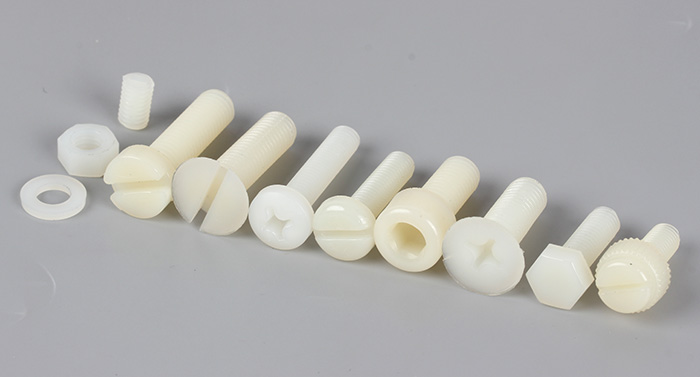
In many industries, PA66 screws are selected when metal fasteners may create problems such as conductivity, rust, excess weight, or chemical incompatibility. Nylon 66, commonly referred to as PA66, offers a balanced combination of mechanical strength, wear resistance, and dimensional stability. This makes it a practical option for electronic assemblies, automotive interior components, electrical devices, plastic housings, and equipment that needs dependable fastening without adding unnecessary mass.
For importers and industrial buyers, working with an experienced supplier such as IIIBEAR Fastener can help simplify the sourcing process for both standard and custom PA66 screw requirements.
What Are PA66 Screws?
PA66 screws are plastic screws manufactured from polyamide 66. Compared with general-purpose plastics, PA66 provides better strength, better heat resistance, and improved toughness in many industrial fastening uses. These properties make it one of the most common engineering plastics for non-metal fasteners.
Because of their material characteristics, PA66 screws are often chosen for assemblies where insulation matters or where a metal fastener could damage surrounding components. They are available in different head types, thread forms, diameters, and lengths to support a wide range of product designs. Common styles include pan head, countersunk head, round head, slotted, Phillips, and hex socket versions, depending on the installation requirement.
Key Advantages of PA66 Screws
One of the main reasons buyers choose PA66 screws is their corrosion resistance. Unlike carbon steel fasteners, nylon screws do not rust, making them suitable for humid environments and applications exposed to moisture. This advantage is especially useful in electrical enclosures, control panels, outdoor devices, and marine-adjacent equipment where oxidation can reduce product life.
Another major benefit is electrical insulation. PA66 screws do not conduct electricity, so they are often used in electronic products, PCB-related assemblies, battery systems, and other applications where conductive fastening could lead to safety or performance concerns.
Light weight is also important. In assemblies where reducing overall mass helps improve handling, logistics, or product design, PA66 screws can offer a clear advantage over metal alternatives. This is why many manufacturers consider plastic fasteners in consumer electronics, appliances, and transportation-related products.
In addition, PA66 offers good chemical resistance to many industrial substances. While material compatibility should always be reviewed case by case, nylon fasteners are frequently used where exposure to oils, greases, or selected chemicals is expected.
How PA66 Screws Compare with Metal Fasteners
PA66 screws are not a universal replacement for metal screws, but they are highly effective in the right application. Metal fasteners remain the better choice when extremely high load-bearing capacity, very high tightening torque, or severe structural performance is required. However, when the design goal is insulation, rust prevention, weight reduction, or compatibility with plastic parts, PA66 screws often become the preferred option.
Another practical point is surface protection. Plastic components and decorative housings can sometimes be scratched or damaged by harder metal fasteners. PA66 screws help reduce this risk in certain assemblies, especially where lower installation force is appropriate and the surrounding material is sensitive.
For procurement teams, the choice between nylon screws and metal screws should be based on actual service conditions, including load, temperature, environmental exposure, assembly method, and expected product life.
PA66 Screws in Industrial and Commercial Applications
PA66 screws are commonly used across multiple industries. In electronics and electrical equipment, they are valued for insulation and corrosion resistance. In automotive applications, they are often used in interior assemblies, cable management, lightweight brackets, and non-structural components where metal fastening is unnecessary or undesirable.
In household appliances, PA66 screws can support internal parts, covers, and plastic housings. In telecommunications and control systems, they are used in terminals, panels, and enclosure assemblies where stable fastening and non-conductivity are important. They are also found in medical device components, laboratory equipment, lighting products, and industrial machines with specialized material requirements.
For distributors and OEM buyers, this broad application range means that PA66 screws are often part of a larger fastener sourcing strategy that includes standard plastic fasteners, custom molded parts, and matching nuts, washers, and spacers.
How to Select the Right PA66 Screws
When purchasing PA66 screws, several product factors should be reviewed carefully. The first is size and thread specification. Buyers should confirm diameter, length, thread type, head style, and mating part design to ensure proper installation and holding performance.
The second factor is application environment. Although PA66 has good heat resistance compared with many common plastics, temperature limits still need to be considered. Humidity, chemical exposure, and long-term load conditions should also be evaluated during material selection.
The third factor is standard versus custom production. Some buyers need common metric or inch sizes for routine inventory, while others need customized dimensions, colors, head designs, or packaging formats for OEM projects. A supplier with flexible sourcing capability can support both requirements more efficiently.
It is also useful to confirm whether the product is intended for repeated assembly, one-time installation, or combination use with plastic nuts and washers. These details affect purchasing decisions and help reduce later compatibility issues.
Why B2B Buyers Source PA66 Screws from a One-Stop Supplier
For international buyers, consistency and supply efficiency matter as much as product performance. Sourcing PA66 screws from a one-stop fastener supplier can help reduce communication cost, simplify specification matching, and support combined purchasing for related items. This is particularly valuable for wholesalers, equipment manufacturers, and project-based buyers managing multiple SKUs.
A dependable supplier can assist with standard product selection, custom development, packaging requests, and shipment coordination. This approach is useful when buyers need not only nylon screws, but also other plastic fasteners, stainless steel fasteners, washers, nuts, and special parts in the same supply chain.
From an SEO and market perspective, PA66 screws continue to attract industrial demand because they solve real engineering problems. They are not simply low-cost substitutes for metal parts. They are specialized fastening solutions for applications where insulation, corrosion resistance, and weight savings are essential.
PA66 Screws for Long-Term Purchasing Value
PA66 screws offer a practical balance of performance and functionality for many non-structural fastening needs. When selected correctly, they can improve product reliability, reduce corrosion-related maintenance concerns, and support cleaner integration with plastic and electrical components.
For B2B buyers, the most effective purchasing strategy is to evaluate the application first, define the technical requirements clearly, and then source from a supplier that understands both standard and custom fastener needs. With the right specification and reliable supply support, PA66 screws can deliver strong long-term value across a wide range of industrial and commercial projects.

Related products: Plastic Fasteners, Screws

