Why Do Phillips Screws Strip and Should You Upgrade to Higher Grades?
Why Do Phillips Screws Strip and Should You Upgrade to Higher Grades?
Phillips screws are widely used across industrial, automotive, construction, and consumer electronics applications. However, one of the most common issues technicians face is screw head stripping, which prevents proper tightening or removal. Understanding why Phillips screws strip and whether upgrading the fastener grade is necessary can improve product reliability and assembly efficiency.
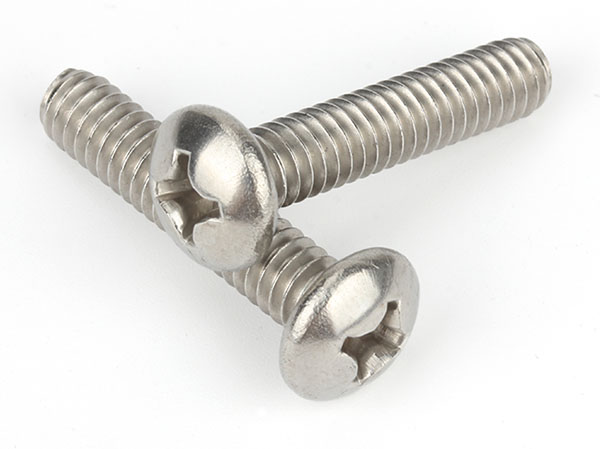
What Causes Phillips Screws to Strip?
Screw stripping occurs when the cross recess deforms under force, making the screwdriver unable to grip the drive. The main causes include:
1. Incorrect Torque and Excessive Force
Over-tightening is one of the most common reasons Phillips screws strip. When torque exceeds design limits, the recess deforms, especially on low-grade carbon steel screws. Using automated assembly tools without torque control increases this risk.
2. Poor Screw Material or Heat Treatment
Low-strength materials such as low-carbon steel without proper heat treatment result in soft heads that wear quickly. Inferior electroplating can also weaken the recess, causing rounding during installation.
3. Low-Quality or Worn Screwdrivers
If the screwdriver bit is worn, incorrect size, or made from soft material, it fails to maintain full contact, leading to cam-out and stripping.
4. Design Limitation of Phillips Drive
The Phillips drive structure is designed to allow cam-out to prevent over-torqueing. While suitable for mass production, this design inherently increases stripping risk compared to drive types like Torx, hex, or Pozidriv.
Is Upgrading to Higher Grade Phillips Screws Necessary?
Upgrading the fastener grade can reduce stripping, especially in high-load or frequent-assembly environments. Consider upgrading when:
- You require higher torque resistance
- Applications involve tough materials like stainless steel, metal alloys, or thick plates
- Assembly requires repeated tightening and removal
- Structural or safety-critical components are involved
Common higher-grade options include:
- Grade 8.8 / 10.9 / 12.9 carbon steel — higher strength and better wear resistance
- 304 / 316 stainless steel — corrosion resistance with moderate hardness
- Alloy steel with heat treatment — improved fatigue and torque resistance
When Grade Upgrade Is Not Enough: Consider Alternative Drive Types
Even with grade upgrades, Phillips may still strip under high torque. For precision or high-strength applications, switching to improved designs is recommended:
- Torx (T-drive) — higher torque transfer, reduced cam-out
- Pozidriv — enhanced contact compared to Phillips
- Hex or Socket Head Cap Screws — suitable for high-tension mechanical structures
These alternatives offer better torque control and efficiency, reducing the risk of damaged fasteners during assembly.
How to Prevent Phillips Screw Stripping
To reduce failure in practical applications, implement the following measures:
- Use correct bit size and replace worn tools regularly
- Apply proper torque settings with calibrated equipment
- Select screws with appropriate material and hardness
- Use lubricant or anti-seize agent on high-friction materials
- Choose improved drive types when high torque is required
Conclusion
Phillips screw stripping is often caused by excessive torque, poor material hardness, tool mismatch, and inherent drive-type limitations. Upgrading screw grade can help, but for high-precision or high-torque environments, switching to Torx, hex, or Pozidriv may provide better performance. By choosing the right material, design, and installation method, engineers can significantly reduce fastening failures and improve product durability.

Related products: Screws

