UNC vs UNF Threads: How to Choose Coarse vs Fine Threads
UNC vs UNF Threads: How to Choose Coarse vs Fine Threads and Where to Use Them
UNC vs UNF is a frequent question for buyers and engineers working with inch fasteners, especially when a drawing calls out sizes like 1/4-20 or 1/4-28 and the team needs to decide which is correct for strength, assembly speed, vibration resistance, and material compatibility. UNC (Unified National Coarse) and UNF (Unified National Fine) are both part of the Unified Thread Standard used across the United States and many global supply chains. The difference is simple on paper—coarse vs fine pitch—but the application impact can be significant.
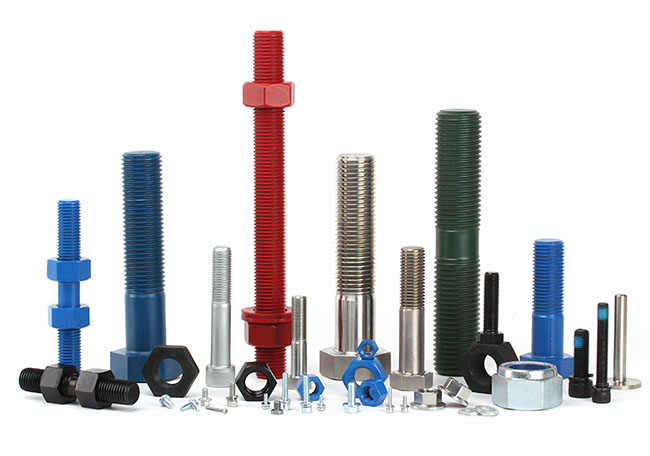
Popular Google searches include “UNC vs UNF difference,” “coarse vs fine thread bolts,” “UNF thread applications,” “UNC thread pitch chart,” and “1/4-20 vs 1/4-28.” This article explains how to select the right thread series, where each is commonly used, and how to avoid expensive fit and performance mistakes.
What Is the Difference Between UNC and UNF?
UNC and UNF refer to the thread series, mainly defined by threads per inch (TPI). For the same nominal diameter, UNC has fewer threads per inch (a coarser pitch), and UNF has more threads per inch (a finer pitch). For example:
- 1/4-20 UNC: 20 TPI (coarse)
- 1/4-28 UNF: 28 TPI (fine)
Because UNF has a smaller pitch, it has a slightly larger minor diameter and more engaged threads in the same length, which influences stripping strength, adjustment sensitivity, and vibration behavior.
Coarse vs Fine Thread Bolts: Key Selection Factors
When people search “coarse vs fine thread bolts,” they usually care about one or more of these practical outcomes:
- Assembly speed: coarse threads advance faster per turn, which can reduce installation time.
- Thread engagement and stripping resistance: fine threads provide more engagement per inch and can be stronger in certain materials and conditions.
- Vibration and loosening behavior: fine threads often provide better resistance to loosening under vibration when preload is properly applied, but the joint design and locking method still matter.
- Damage tolerance: coarse threads are generally more tolerant of dirt, paint, and minor thread damage.
- Adjustability: fine threads allow more precise adjustment and better control for settings and alignment.
When to Use UNC (Unified National Coarse)
UNC is the default choice for many general-purpose inch fasteners because it is forgiving and fast to assemble. It is often selected when speed, robustness, and broad availability are priorities.
- General manufacturing and maintenance: common for standard repairs and production where parts see frequent assembly/disassembly.
- Dirty or damaged environments: if threads may be exposed to debris, coating build-up, or minor damage, UNC can be easier to start and less sensitive.
- Soft materials with limited engagement length: in some cases, coarse threads can perform well where the female threads are less precise or where there is a risk of cross-threading.
Searchers often ask for an “UNC thread pitch chart” to confirm the correct TPI for the diameter. In procurement, the key is to specify the full callout (diameter + TPI + series), not just “1/4 inch bolt.”
UNC vs UNF Threads: Where UNF Is the Better Choice
UNC vs UNF decisions often favor UNF when you need higher precision, better preload control, or improved performance in compact joints. UNF is common in industries where vibration, weight, and performance are tightly controlled.
- Automotive and motorsports: fine threads can help achieve and maintain higher clamp loads with better adjustability, especially in critical joints.
- Aerospace and precision equipment: fine threads support precise adjustment and can be preferred in high-performance assemblies.
- Thin-wall sections with adequate thread quality: fine threads can increase effective engagement in a limited length, depending on material and design.
In practice, “UNF thread applications” often involve tighter tolerances and stronger process control on tapping and assembly. Fine threads are less forgiving of damaged starts and contamination, so cleanliness matters more.
Strength and Stripping: What Actually Changes?
One reason engineers choose UNF is improved stripping strength in some scenarios. Fine threads increase the number of engaged threads per inch and can distribute load differently. However, overall joint strength also depends on:
- Material of the nut or tapped hole: steel vs aluminum vs cast iron.
- Engagement length: how many threads are actually engaged.
- Thread class/fit: and manufacturing quality.
- Clamp load achieved: which is influenced by friction, lubrication, and torque strategy.
If you are fastening into aluminum or other softer materials, thread engagement design is often more important than selecting UNC or UNF alone. Sometimes the best solution is a thread insert or a design change, not simply switching to fine pitch.
Vibration and Loosening: Do Fine Threads Always Win?
It’s common to hear that fine threads “resist loosening better.” Fine threads often allow more precise preload control and can reduce the tendency to back off under vibration, but the joint can still loosen if the clamp load drops due to embedding, thermal cycling, or surface relaxation.
For vibration-prone joints, many buyers also search “threadlocker for UNF bolts” or “nylon patch screws,” because anti-loosening is often a system decision: thread series, locking feature, washer choice, and torque method all work together.
Interchange Risks: The Most Expensive UNC/UNF Mistake
A common sourcing failure is mixing UNC and UNF hardware with the same diameter. A 1/4-20 bolt will not fit a 1/4-28 nut, and forcing the assembly can destroy both threads. To prevent issues:
- Always specify the full thread callout: diameter-TPI-series (example: 3/8-16 UNC or 3/8-24 UNF).
- Confirm with gauges: use a thread pitch gauge or go/no-go gauges in receiving inspection.
- Label bins and kitting clearly: UNC and UNF must be separated in storage to avoid line mistakes.
Quick Practical Guide: How to Choose
- Choose UNC if you want faster assembly, broad availability, and better tolerance to dirt, coating build-up, and minor damage.
- Choose UNF if you need precision adjustment, stronger engagement in compact joints, and better preload control for critical assemblies.
- Validate on the real joint if vibration and clamp load stability are the main concerns—thread series alone is not a complete anti-loosening strategy.
How IIIBEAR Supports Inch Fastener Selection
Inch fasteners are often used in cross-border supply chains, maintenance programs, and legacy equipment where drawings specify UNC or UNF. At IIIBEAR, we support customers with correct thread series selection, consistent marking and packaging, and verification guidance to reduce the risk of mix-ups. If you share your application details—material of the tapped hole, vibration level, and assembly method—we can help recommend the best thread series and matching hardware.
Conclusion
UNC vs UNF selection is about matching coarse vs fine pitch to your real needs. UNC is robust and fast for general use and harsh handling; UNF is better for precision, higher engagement per inch, and controlled preload in demanding applications. Specify diameter and TPI clearly, avoid mixing series in storage, and validate the final joint performance with the correct torque strategy and locking method.