Why Do Phillips Screws Strip? Causes and Effective Solutions
Why Do Phillips Screws Strip? Causes and Effective Solutions
Phillips screws are widely used in machinery, electronics, construction, and general industrial applications. However, one common issue many users encounter is screw stripping, where the cross recess becomes rounded or damaged. Stripping affects tightening performance, causes assembly failures, and increases maintenance costs. In this article, IIIBEAR explains the main reasons behind stripped Phillips screws and offers practical solutions.
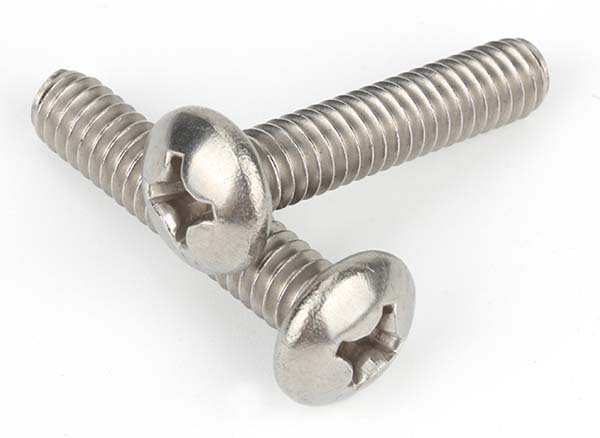
Main Causes of Phillips Screw Stripping
1. Mismatched or Improper Tools
Using the wrong screwdriver type or size is the most common cause of stripping. Phillips screws (PH) require PH-type screwdrivers. Using PZ, flat-head, oversized, undersized, or severely worn tools results in uneven force distribution and damages the recess.
Improper operation, such as applying force at an angle or excessive torque, also contributes to stripping.
2. Low-Quality or Soft Material Screws
Soft materials, such as low-carbon steel or poorly heat-treated screws, have insufficient hardness. When high torque is applied, the recess deforms quickly. Cheap screws commonly suffer from this issue.
3. Excessive Torque
Applying torque beyond the screw’s designed capacity can cause immediate recess deformation. This often occurs when using electric screwdrivers or power tools set to high torque levels.
4. Incorrect Installation Environment
Using Phillips screws in environments with heavy corrosion, rust, or excessive friction makes initial rotation difficult, which increases the chance of stripping during forceful tightening.
5. Repeated Use and Wear
Phillips screws are not designed for multiple repeated uses. Each tightening and loosening weakens the recess, increasing the likelihood of stripping.
How to Prevent Phillips Screw Stripping
1. Choose the Correct Tool
Always use PH screwdrivers that match the screw head size. Ensure tools are clean, undamaged, and properly aligned before applying torque.
2. Select High-Quality Screws
Choose screws from reliable manufacturers such as IIIBEAR, which provides screws with optimized hardness, precision recess shapes, and high-strength materials.
3. Control Torque
When using electric or pneumatic tools, set torque levels according to the manufacturer's specifications to avoid damaging the recess.
4. Improve Installation Conditions
Lubricate threads when necessary, remove rust, and ensure smooth rotation to reduce friction and pressure during tightening.
5. Avoid Over-tightening
Stop tightening when proper fastening strength is achieved. Over-tightening increases recess deformation and thread damage.
Professional Fastener Support from IIIBEAR
IIIBEAR specializes in high-quality fasteners, including Phillips screws made with precise manufacturing technology and strict quality control. Our products are engineered to resist deformation, provide stable tightening performance, and meet industrial-level requirements.
If you need reliable fasteners or customized solutions, IIIBEAR is your trusted partner with over 20 years of industry expertise.
Related products: Screws

