Bolt R Angle: Small but Critical in Mechanical Connections
Bolt R Angle: Small but Critical in Mechanical Connections
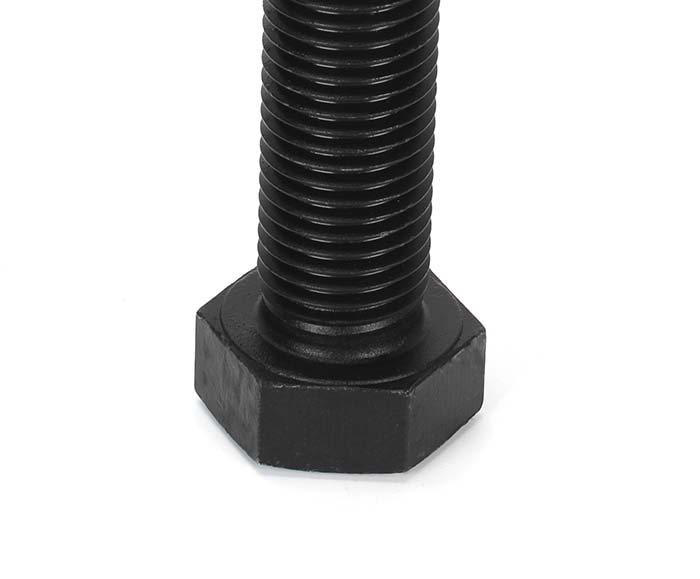
In the field of fasteners, the R angle of a bolt refers to the arc transition structure between the dw washer face (bearing surface) of the bolt head and the bolt shank. This parameter must be strictly controlled during the manufacturing process, where r is the under-head fillet radius and da is the transition circle diameter. Though seemingly tiny, the R angle is actually a key design element that integrates considerations from material mechanics, manufacturing engineering, and application scenarios.
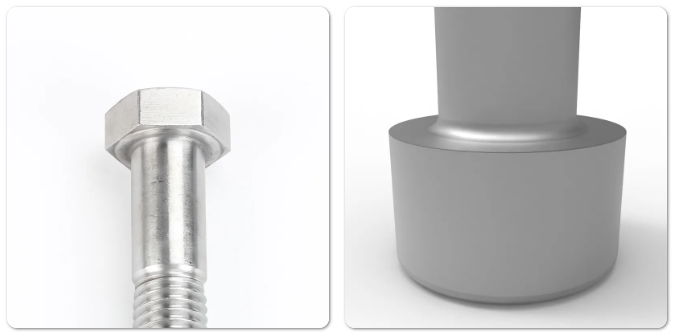
I. Benefits of R Angle Arc Transition Design for Products
In the field of fastener engineering, the R angle is a core factor determining the connection strength of bolts. When a bolt bears axial load or alternating stress, if a right-angle connection is used, significant stress concentration will occur at the sudden change of geometric shape. Studies have shown that the local stress peak of a right-angle connection can reach more than 3 times the average stress. During long-term use, this easily causes fatigue cracks, which in turn leads to bolt fracture and affects the stability and safety of the entire mechanical system.
However, the R angle skillfully uniformizes the stress gradient through its arc curvature, improving this situation. Verified by a large number of experiments, a reasonable R angle radius (usually controlled within the range of 0.1-0.2 times the bolt diameter) can reduce the stress concentration factor by more than 40%.
This design optimization significantly improves the anti-fracture ability of bolts under high-load scenarios. Whether in bridge construction, aerospace, or heavy machinery—fields with high reliability requirements—it builds a solid "anti-fatigue defense line" for the mechanical connection system.
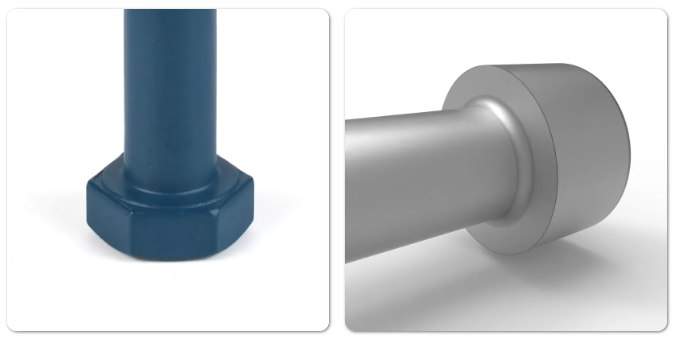
II. Benefits of R Angle Arc Transition Design for Manufacturing
The R angle parameter is a direct reflection of the bolt manufacturing process level. In the bolt production process, cold heading or hot forging (red forging) are commonly used forming methods. During these manufacturing processes, the mold is in frequent contact and extrusion with the bolt blank, and the mold surface bears large stress. If the bolt has no R angle design, stress will concentrate on the corresponding part of the mold, accelerating mold wear and shortening the mold service life.
The characteristic of the R angle to uniformize stress effectively alleviates the problem of stress concentration on the mold surface. By evenly dispersing stress, it reduces excessive local wear of the mold, thereby greatly extending the service life of fastener cold heading/hot forging molds. This not only reduces the frequency of mold replacement and downtime for maintenance but also lowers production costs and improves production efficiency, exerting a positive impact on the economic benefits of enterprises.
III. About IIIBEAR Fasteners
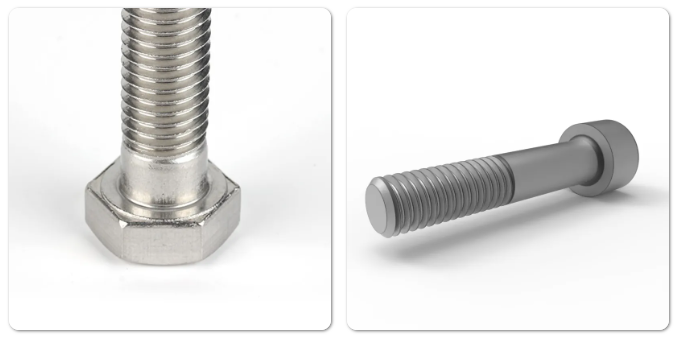
Though small, the bolt R angle plays an indispensable role in mechanical connections. Whether from the perspective of product performance improvement or manufacturing process optimization, the R angle design is of great significance. If you need to learn more about fastener technology or purchase customized R angle bolts, please visit the IIIBEAR Website (www.iiibearfastener.com) or Contact Us. We will provide you with detailed and professional guidance.
Related products: Bolts

