Adhesion Test for Fastener Surface Treatment: Safeguarding the
Adhesion Test for Fastener Surface Treatment: Safeguarding the "Invisible Defense Line" of Industrial Connections
When it comes to fasteners like screws and bolts, they may seem like insignificant small parts. However, in high-rise buildings, precision instruments, and even high-speed moving cars, they are the key components responsible for "firmly holding" various parts together! To ensure these small parts work reliably for a long time, in addition to being strong themselves, the "protective coat" on their surface—the coating—must also be "stuck" firmly enough.
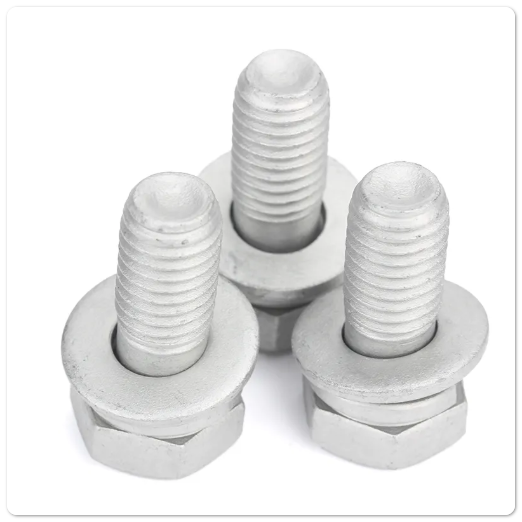
I. Fastener Surface Treatment: More Than Just Aesthetics
Surface treatment of fasteners is by no means a simple "cosmetic project" aimed only at improving appearance. It undertakes multiple missions such as corrosion resistance and wear resistance. Take zinc plating as an example: the zinc layer not only isolates air and moisture to prevent the metal substrate from rusting but also enhances the wear resistance of fasteners and extends their service life. However, the quality of surface treatment largely depends on the adhesion between the coating and the substrate. If the adhesion is insufficient, the coating is like a "castle in the air"—it easily peels off and cannot play its due protective role.
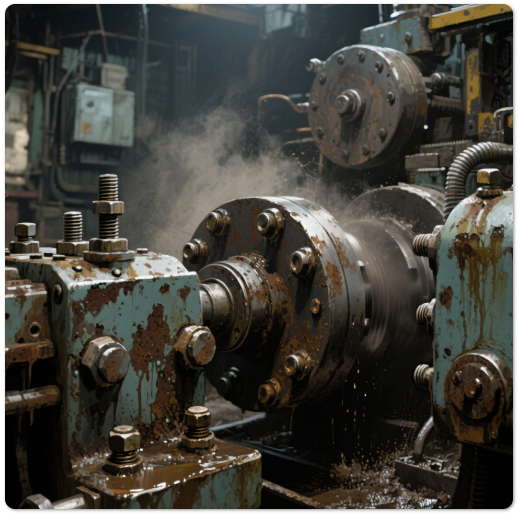
II. Adhesion Test: Revealing the True "Strength" of Surface Treatment
Test Purpose
The core goal of the adhesion test is to evaluate the firmness of the bond between the surface coating of fasteners and the substrate, determine whether the coating will peel off or blister during actual use, and provide a key basis for product quality control.
Common Test Method 1: Cross-Cut Test
The cross-cut test is one of the most commonly used adhesion testing methods. Testers use a dedicated cross-cut tool to score a grid pattern of specific specifications on the fastener surface coating. The size and spacing of the grids are determined based on the coating thickness and material properties. For example, for coatings with a thickness of less than 0.6mm, a 1mm×1mm grid is usually used. After scoring the grid, adhesive tape is tightly attached to the cross-cut area and then quickly peeled off vertically. By observing the degree of coating peeling in the grid area, a rating is given in accordance with relevant standards. If there is almost no coating peeling, the adhesion is good; if there is large-area peeling, it indicates a problem with adhesion.
III. "Hidden Factors" Affecting Adhesion
No. 1: Surface Pretreatment
Before fasteners undergo surface treatment, their surface condition has a decisive impact on adhesion. If there are impurities such as oil stains, rust, and oxide scales on the surface, they will seriously hinder the bonding between the coating and the substrate. Therefore, strict pretreatment is usually required—for example, removing surface rust and impurities through sandblasting, and removing oil stains through chemical cleaning—to make the surface clean and rough. This increases the contact area between the coating and the substrate and improves adhesion.
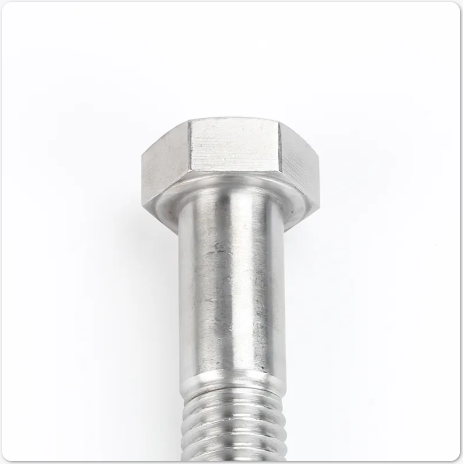
No. 2: Coating Material and Process
Different coating materials have different properties, and their bonding ability with the substrate also varies. For instance, a layer of iron-zinc alloy is formed between the hot-dip galvanized layer and the steel substrate, resulting in strong adhesion; while for some organic coatings (such as powder coatings), their adhesion depends on the formula of the coating material and the curing process. In addition, process parameters such as coating thickness, curing temperature, and curing time also directly affect adhesion. An appropriate coating thickness can not only ensure protective performance but also avoid reducing adhesion due to excessive thickness; accurate control of curing temperature and time enables the coating to be fully cross-linked and cured, enhancing its bonding force with the substrate.
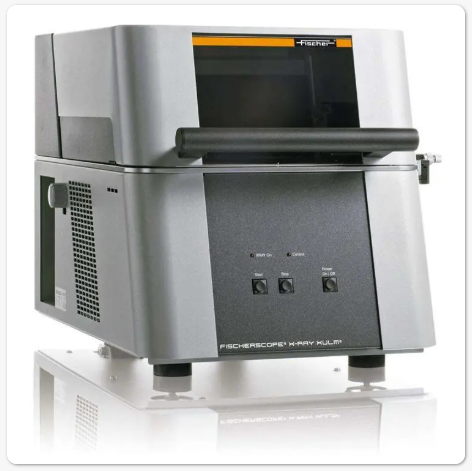
No. 3: Environmental Factors
Both the test environment and the actual service environment can affect adhesion. During the test, factors such as ambient temperature, humidity, and dust content may interfere with the test results. For example, conducting an adhesion test in a high-humidity environment may cause the coating to absorb moisture, leading to reduced adhesion. In actual use, harsh environments such as high temperature, high salt spray, and acid-base corrosion also test the adhesion of the coating. Long-term exposure to these environments may gradually weaken the bond between the coating and the substrate, eventually causing the coating to peel off.
IV. "Value Manifestation" of Test Results
Through adhesion tests:
- ① Manufacturing enterprises can promptly identify problems in the surface treatment process, optimize production processes, and improve product quality.
-
② For customers, adhesion test data is an important reference for selecting high-quality fastener products. During procurement, IIIBEAR can provide relevant test reports. By checking the adhesion test results, customers can determine whether the product meets the actual use requirements and avoid safety hazards and economic losses caused by poor quality of fastener surface treatment.
Only fasteners that pass these strict "tests" can be safely used in various important applications, ensuring the safe and reliable operation of our machinery and equipment as well as building structures.
IIIBEAR Mall focuses on fastener production and surface treatment technology, providing a full range of fasteners with high-adhesion coatings and customized solutions, featuring reliable quality and strict craftsmanship. If you need fastener products with excellent adhesion performance, please visit the IIIBEAR Website (www.iiibearfastener.com) or Contact Us. We will provide professional product selection guidance and process consultation to build a solid invisible defense line for your industrial connections.
Related products: Special Material Fasteners

