IIIBEAR Technical Q&A: How to Set Safe Torque for Fasteners
How to Set Safe Torque for Fasteners
Tightening Torque Introduction:
Tightening torque refers to the torque applied when tightening bolts, screws, or nuts. It is a parameter used to ensure that the connected components (such as bolt connections) reach an appropriate degree of tightness. The setting of tightening torque needs to consider various factors, including the material and size of the bolt, preload requirements, and the purpose of the connected components, etc. Correct tightening torque can prevent the bolt from being too loose or too tight, avoiding failure of the connected components.
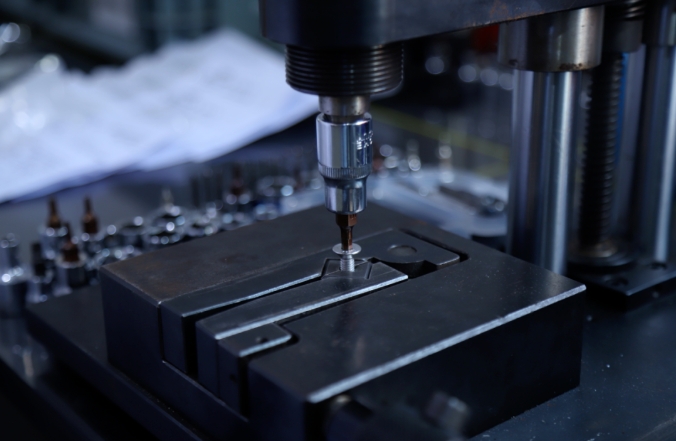
1. Main Factors Affecting Torque: Usage and Environment
- Determine the type of load that the bolt connection will bear (such as tension, shear, or torsion).
- Consider the impact of the working environment (such as temperature, chemical corrosion, vibration, etc.) on the bolt connection.
- Select appropriate bolt materials: Choose materials with appropriate strength and corrosion resistance according to application requirements.
- Determine the size and grade of the bolt: Select the appropriate bolt size and strength grade according to load requirements.
2. Calculating Tightening Torque
Tightening torque calculation formula:
-
Metric calculation formula: T = KDF (Refer to SAE J1701M-2022 Metric Fastener Tightening Torque)
where: T: Torque; K: Torque coefficient; D: Nominal size of the screw or bolt; F: Preload -
Imperial calculation formula: T = KDW (Refer to SAE J1701-2017 Imperial Fastener Clamp Tightening Torque)
where: T: Torque; K: Torque coefficient; D: Nominal size of the screw or bolt; W: Preload
3. Understanding Fastener Tightening Torque and Break Torque
01 Tightening Torque and Break Torque of Common Bolts
Threaded connection calculations are often very complex. In the process design of fastening installations in some non-critical parts, detailed calculations are generally not performed, and only conventional empirical values are used. Fastener users can set appropriate installation torque according to specific products with reference to the maximum tightening torque table.
Friendly Reminder: The tightening torque of fasteners is a key parameter to ensure their normal operation and avoid connection failure. The above parameters are reference values for the maximum tightening torque of fasteners. When the set installation torque is lower than the maximum tightening torque, the longitudinal tension borne by the bolt is lower than the yield stress of the bolt, and the bolt connection is more stable and reliable.
Exceeding these maximum values may cause plastic elongation or fracture failure of the fastener, thus causing safety problems. Therefore, when performing fastening operations, it is necessary to comply with work instructions and standardize operations to avoid connection failure.
02 Austenitic Stainless Steel Performance Requirements 50, 70
For bolts, screws, and studs with specifications M1.6—M16
03 Locking Torque and Minimum Break Torque of Self-Tapping Screws for Sheet Metal Products
Self-tapping screws with specifications ST2.2—ST8 are used in sheet metal products. Table of locking torque and minimum break torque of self-tapping screws for sheet metal products:
04 Locking Torque and Minimum Break Torque of Self-Tapping Screws for Sheet Metal Products
Self-tapping screws with specifications ST2.2—ST8 are used in plastic products. Table of locking torque and minimum break torque of self-tapping screws for sheet metal products:
4. Conducting Break Torque Testing

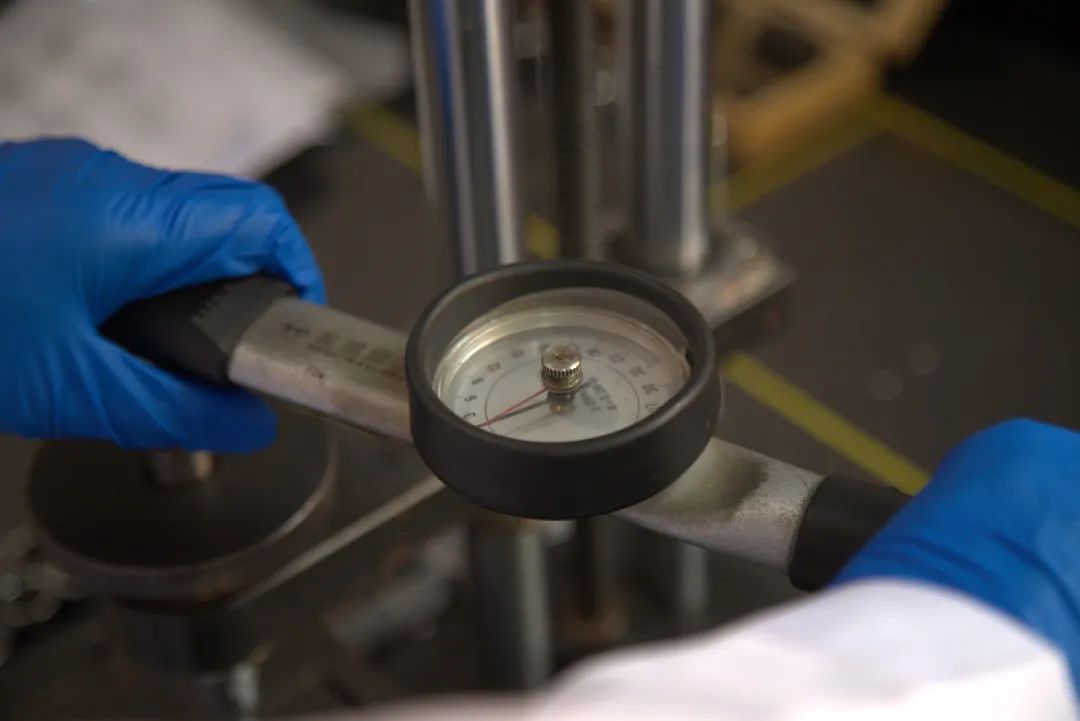
Destructive Torque Test
IIIBEAR performs strict destructive torque testing on each batch of products to ensure that products meet our high standards. This test enables us to timely detect potential defects in products and make necessary improvements before product delivery.
Our quality control team deeply analyzes test results and continuously optimizes the test process and product design to ensure the quality of products at the time of delivery. It also provides reference value for customers in production use, ensuring safe and effective application in production.
The above data are all reference data. Setting the safe torque of fasteners is a complex process that requires comprehensive consideration of various factors. It is recommended to communicate with IIIBEAR product engineers before selecting models to recommend a safe torque for fasteners more suitable for specific working conditions.
By reasonably selecting tightening torque, preload, and bolt specifications, the safety and reliability of fasteners can be ensured, thereby guaranteeing the quality and performance of the entire product.

