How to Improve Stainless Steel Screw Corrosion Resistance | IIIBEAR
How to Improve Stainless Steel Screw Corrosion Resistance: Grades, Passivation, and Real-World Practices
improve stainless steel screw corrosion resistance is a common goal for buyers who use fasteners outdoors, in coastal climates, near chemicals, or in humid industrial environments. Stainless steel is corrosion resistant, but it is not corrosion proof. In the wrong conditions, even “stainless” screws can show rust staining, crevice corrosion, or pitting—especially around threads, under washers, or in joints that trap salt water. The good news is that corrosion performance can be improved dramatically with the right grade selection, surface condition, and installation practices.
Many procurement teams search for practical answers like “304 vs 316 stainless screws,” “how to stop stainless steel from rusting,” “passivation for stainless steel fasteners,” “marine grade stainless screws,” and “pitting corrosion stainless steel.” This guide explains what actually works and how to specify it so your screws last longer in real service conditions.
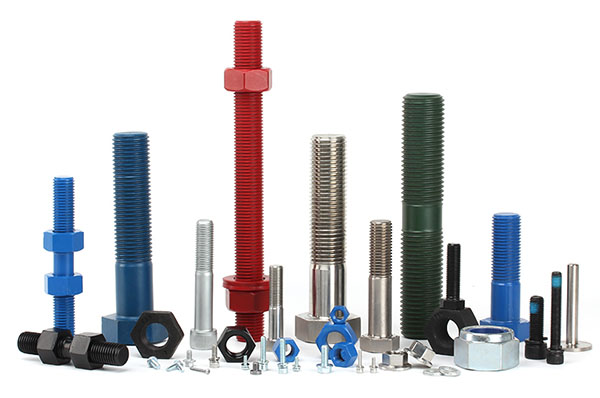
Start With the Right Stainless Grade (304 Is Not 316)
The biggest lever for corrosion resistance is alloy selection. The most common stainless fasteners are 18-8/304 and 316. For general indoor use and mild outdoor exposure, 304 can be sufficient. But in chloride environments—coastal air, pool areas, de-icing salt, fertilizer, or certain cleaning chemicals—316 usually performs better because it has improved resistance to chloride attack.
That is why “304 vs 316 stainless screws” and “marine grade stainless screws” are high-volume searches. If you are within a few kilometers of the ocean, in salt-fog zones, or any application where salt can sit on the fastener, upgrading to 316 often delivers the most reliable improvement per dollar.
Understand the Real Enemies: Chlorides, Crevices, and Contamination
To improve performance, you need to reduce the main causes of stainless corrosion issues:
- Chlorides: Salt water, sea spray, road salt, and some cleaners can break down the passive film and trigger pitting.
- Crevice conditions: Moisture trapped under washers, in lap joints, or under sealant can create oxygen-starved zones that accelerate corrosion.
- Iron contamination: Stainless can “rust” when carbon steel particles are embedded on the surface—often from shared tools, steel wire brushes, grinding dust, or mixed storage bins.
Many “stainless steel screws rusting” complaints are actually caused by contamination rather than wrong chemistry. Fixing handling and cleaning often improves appearance and performance without changing the alloy.
Improve Stainless Steel Screw Corrosion Resistance With Passivation
Passivation is one of the most effective ways to improve corrosion behavior for stainless fasteners, especially after machining, forming, or handling. Stainless steel protects itself by forming a thin chromium-rich oxide layer (passive film). Manufacturing and processing can leave free iron, sulfides, or heat tint that weakens this protective film.
Passivation for stainless steel fasteners (a popular search phrase) removes surface contamination and helps the passive layer reform more uniformly. In many supply chains, passivation is specified for critical environments such as marine, food processing, and pharmaceutical equipment. If corrosion resistance is a key requirement, ask your supplier whether passivation is performed and what standard or process control is used.
Surface Finish Matters More Than Most People Expect
Surface roughness affects corrosion because rough surfaces hold moisture and salts longer and create micro-crevices. A smoother finish is generally easier to clean and less likely to trap chlorides. This is especially relevant for exposed fasteners on outdoor equipment, enclosures, solar mounting systems, and coastal infrastructure.
When specifying fasteners, consider whether a cleaner surface condition or improved finishing is required, especially if the screws will be washed down regularly or exposed to salt spray. Buyers often search “stainless screw finish” or “polished vs plain stainless fasteners” for this reason.
Use Correct Installation Practices to Prevent Early Corrosion
Even the best stainless grade can look bad if installation introduces problems. These steps help reduce rust staining and pitting:
- Use clean tools: Avoid carbon steel wire brushes and heavily worn sockets that can leave embedded steel particles.
- Avoid mixing metals without isolation: Stainless screws in contact with aluminum or carbon steel in wet conditions can accelerate galvanic effects and visible staining around the joint.
- Control crevices: Choose washer designs and joint geometry that allow drainage; avoid sealing pockets that trap salt water.
- Rinse in salt environments: Periodic fresh-water rinse can dramatically reduce chloride loading on exposed fasteners.
Search terms like “galvanic corrosion stainless steel screws” and “how to prevent stainless steel pitting corrosion” show how often these installation factors become the real root cause.
Consider Anti-Seize and Lubrication (Without Creating a Dirt Trap)
In stainless-to-stainless assemblies, galling can occur, especially on fine threads or high clamp loads. Anti-seize compounds can reduce galling risk, but choose products compatible with your environment and cleanliness requirements. In outdoor use, excessive greasy compounds can trap dirt and chlorides, which may worsen staining over time. The best approach is controlled application and selecting thread forms and installation torque that reduce galling risk.
How to Specify Stainless Screws for Harsh Outdoor Use
If your goal is long service life, your purchase specification should include more than “stainless.” Consider specifying:
- Alloy grade: 304/18-8 or 316 (and state “coastal/chloride exposure” when applicable)
- Process requirement: passivation for stainless steel fasteners (if required)
- Surface condition: specify finish expectations if appearance and cleaning matter
- Application notes: wet/dry cycles, salt spray, chemical exposure, or washdown
- Packaging/handling: avoid mixed metal contamination during storage and shipping
Clear specifications prevent substitutions and reduce disputes where magnetism, staining, or surface spots are misunderstood.
Work With a Supplier Who Can Support Corrosion-Focused Selection
Improving corrosion resistance is not only about selling 316 instead of 304. It requires matching the alloy and surface condition to the environment, controlling contamination risk, and documenting processes like passivation when needed. At IIIBEAR, we support customers with stainless fastener selection for outdoor and industrial environments, including grade recommendations, corrosion-focused specifications, and practical guidance to reduce rust staining and pitting in service.
Conclusion
To improve stainless steel screw corrosion resistance, begin with correct grade selection (often 316 for chloride environments), reduce iron contamination, and design joints to avoid crevice traps. Add passivation where required, choose appropriate surface finish, and follow clean installation practices. With these steps, stainless screws can deliver significantly longer service life and better appearance—especially in harsh outdoor conditions.

Related products: Special Material Fasteners

