Pre-Applied Threadlocker Screws: Problems and Fixes | IIIBEAR
Pre-Applied Threadlocker Screws: Common Problems and How to Avoid Them in Production
pre-applied threadlocker screws problems show up most often when a project moves from prototype builds to volume assembly. Patch-coated (also called pre-coated, pre-applied, or micro-encapsulated) threadlocker screws are designed to provide reliable vibration resistance, reduce liquid adhesive handling, and improve assembly consistency. They are widely used in automotive, electronics, appliances, motors, and industrial equipment. But if the coating specification, storage, installation torque, or mating thread condition is not controlled, the benefits can turn into headaches: inconsistent torque, cross-threading, poor locking, contamination, or even warranty returns.
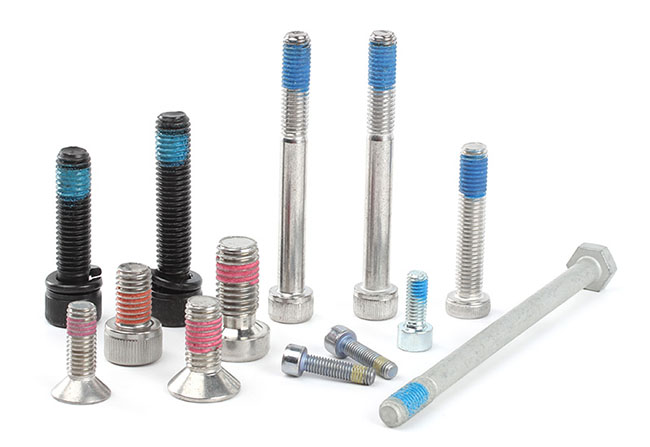
Google searches around this topic often include “pre-applied threadlocker patch,” “nylon patch screws vs threadlocker,” “threadlocker patch shelf life,” “why is my torque too high,” and “how to prevent screws from loosening with vibration.” This guide explains the most common failure modes and practical prevention methods that sourcing teams and engineers can apply immediately.
What Are Pre-Applied Threadlocker Screws (Patch-Coated Screws)?
Pre-applied threadlocker screws typically have a dry-to-touch adhesive patch on the threads. During installation, the patch creates controlled friction and/or adhesive bonding to resist loosening from vibration. Depending on the chemistry and design, the patch may be reusable a limited number of times and can be specified for prevailing torque behavior (resistance during assembly) and/or locking performance after installation.
Because there are multiple patch materials and suppliers, “pre-applied threadlocker patch” is a high-intent search phrase. The key is to treat patch coating as a controlled engineered feature, not a generic add-on.
Common Problems With Pre-Applied Threadlocker Screws
1) Inconsistent Prevailing Torque (Too High or Too Low)
The most frequent complaint is unpredictable assembly torque. In high-speed production, even small torque scatter can cause stoppages, bit wear, or quality alarms.
- Too high: may cause driver cam-out, stripped heads, broken screws, or damaged internal threads.
- Too low: may result in poor vibration resistance and loosening in service.
Root causes include patch thickness variation, incorrect patch position on the thread, aged coating, improper mating thread finish, or lubricant/oil contamination on the female thread. A practical prevention step is to define a target prevailing torque window and verify it on representative joint materials, not only on test coupons.
2) Cross-Threading or Thread Damage During Assembly
Patch coatings increase friction. If lead-in chamfers are small, tapping burrs exist, or alignment is poor, the screw can start incorrectly and cross-thread. This is common in thin sheet metal, castings, or threaded inserts where the thread is not perfectly clean.
Prevention options include adding a lead-in feature (longer point, dog point, or better chamfer), optimizing driver alignment, and verifying that the patch does not start too close to the screw tip where it can interfere with thread engagement.
3) Contamination and Poor Adhesion Due to Oil, Dust, or Plating Residues
Patch coatings are sensitive to surface condition. If screws have excess oil from manufacturing, or if mating holes contain coolant, debris, or plating residues, the patch may not perform as designed. In some cases, the patch can smear and contaminate assemblies.
Prevention is straightforward: require clean packaging, define acceptable residual oil limits when needed, and ensure mating threads are cleaned or protected in the production flow. Many “threadlocker not working” issues are actually contamination problems.
4) Shelf Life and Storage Problems
Searches like “threadlocker patch shelf life” reflect a real risk: pre-applied threadlocker performance can degrade if stored improperly. Heat, humidity, UV exposure, or long storage can change friction and locking behavior. If production uses older lots, torque scatter often increases.
Prevention includes lot traceability, FIFO inventory, sealed packaging, and clear shelf-life labeling. For sensitive programs, define storage temperature/humidity guidance and a re-test plan for aged inventory before release to production.
5) Reuse and Serviceability Confusion
Some patch types can be reused a limited number of cycles, while others are intended for one-time assembly. If a customer or service department removes and reinstalls the same screw repeatedly, locking performance may drop. This is a common field issue in maintenance-heavy equipment.
Prevention: define reuse policy clearly in manuals and internal work instructions. If serviceability is required, consider a patch chemistry designed for limited reuse or specify a controlled liquid threadlocker for service operations.
6) Compatibility With Plastics, Coatings, and Sensitive Assemblies
In electronics or plastic housings, chemical compatibility matters. Certain adhesives can cause stress cracking in some plastics, or they may not bond consistently to coated internal threads. If the assembly includes painted surfaces, anodized aluminum, or special coatings, validate the patch on the actual mating materials.
How to Avoid Pre-Applied Threadlocker Screws Problems: Practical Checklist
To reduce risk and improve consistency, use a controlled specification and validation process:
- Define the function: prevailing torque control, vibration resistance, sealing, or a combination.
- Specify patch location and coverage: start thread, number of threads covered, and patch width.
- Set measurable acceptance criteria: prevailing torque window, breakaway torque, and/or vibration test requirements.
- Validate on real joints: include actual female thread materials, plating, and production tolerances.
- Control storage and shelf life: sealed packaging, FIFO, and re-test after extended storage.
- Align assembly process: driver bits, alignment, pilot holes, and thread cleanliness.
These steps align with popular searches such as “how to prevent screws from loosening with vibration” and “pre-applied threadlocker patch torque.” The difference between success and failure is usually not the idea of a patch—it is the discipline of specifying and controlling it.
Patch-Coated Screws vs Nylon Patch Screws vs Liquid Threadlocker
Buyers often compare “nylon patch screws vs threadlocker.” In practice:
- Pre-applied threadlocker patch: clean handling, consistent application, good for automated assembly, and avoids liquid adhesive mess.
- Nylon patch: provides prevailing torque by friction; can be effective but depends heavily on thread fit and may behave differently with heat and reuse.
- Liquid threadlocker: strong locking when applied correctly, but adds process steps and risks over/under-application in production.
The best choice depends on line speed, cleanliness control, service requirements, and how critical the joint is under vibration and thermal cycling.
Supplier Support Matters
Because patch-coated fasteners involve both fastener geometry and coating behavior, supplier process control is essential. At IIIBEAR, we support customers using pre-applied threadlocker screws by helping define patch specifications, verifying prevailing torque targets, and aligning packaging, shelf life, and lot traceability with production needs. This reduces torque scatter, prevents cross-threading issues, and improves vibration resistance consistency.
Conclusion
Pre-applied threadlocker screws can simplify assembly and improve vibration resistance, but common problems include inconsistent torque, cross-threading, contamination sensitivity, shelf-life drift, and unclear reuse behavior. The solution is a disciplined specification: define patch coverage, set measurable torque targets, validate on real joints, and control storage and assembly conditions. When those elements are in place, patch-coated screws become a reliable, scalable fastening solution.

Related products: Screws

