Screw Strength Grades and Thread Stripping Explained | IIIBEAR
Understanding Screw Strength Grades and Thread Stripping: What Really Causes “Slipping” Threads?
Screw strength grades and thread stripping are closely connected, but not in the simple way many buyers assume. A higher strength grade does not automatically mean “safer” joints. In fact, using a high-grade screw with the wrong torque, poor thread engagement, or a soft mating material can increase the risk of stripped threads. This article explains how strength classes, material pairing, and installation practices work together so you can reduce failures and improve reliability.
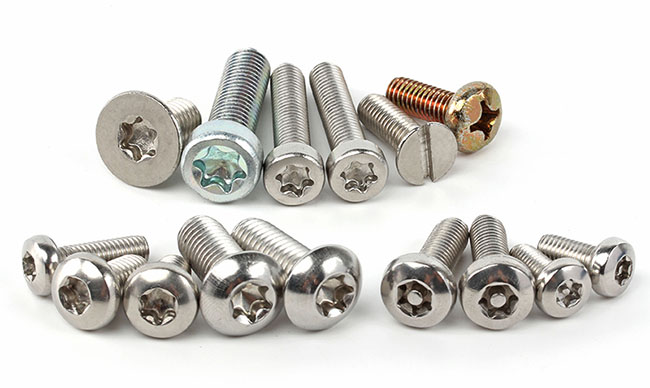
What “Strength Grade” Really Means
Strength grades (also called property classes) describe a fastener’s mechanical capability—primarily tensile strength and yield strength. For metric carbon steel screws and bolts, ISO 898-1 is commonly referenced in engineering discussions. You will often see grades like 4.8, 8.8, 10.9, and 12.9. For stainless steel, common markings include A2-70 and A4-80, which relate to corrosion resistance and tensile level.
Here is the key point: strength grade tells you how strong the fastener is, not how strong the internal threads are in your base material. If the female threads (tapped hole or nut) are weaker than the screw, the joint can fail by thread stripping before the screw ever reaches its full strength.
Screw Strength Grades and Thread Stripping: The Real Link
Thread stripping happens when the shear strength of the internal or external threads is exceeded. This is strongly influenced by how much clamp load you generate during tightening. Higher strength screws can be tightened to higher clamp loads because they can withstand more tension. That sounds good—until the mating threads cannot handle the increased load.
Common failure pattern: a Grade 10.9 or 12.9 socket head cap screw is installed into an aluminum housing. The installer follows a “tight is tight” habit, overshoots the proper torque specification, and the aluminum threads shear off. The screw may look perfect, but the joint is ruined.
Why Softer Materials Strip First
Many assemblies use dissimilar materials: steel screws into aluminum, brass, or polymer; stainless screws into softer stainless nuts; or high-strength alloy steel into thin sheet metal. In these cases, the limiting factor is usually the female thread strength, not the screw grade.
To reduce risk, engineers focus on thread engagement length, base material strength, and proper torque specs. Popular search terms you will see in sourcing and engineering queries include “recommended torque for socket head cap screw,” “thread engagement rule,” and “how to prevent stripped threads.” Those searches reflect the reality that stripping is often an application and installation problem—not a fastener defect.
The Role of Torque, Lubrication, and Friction
Torque is only an indirect method of achieving clamp load. A large portion of torque is lost to friction under the head and in the threads. That means the same torque value can create very different clamp loads depending on surface finish, plating, lubrication, or anti-seize.
If you switch from dry assembly to lubricated assembly without adjusting torque, clamp load can jump significantly, making thread stripping more likely. This is why users frequently search for “anti-seize torque reduction,” “stainless steel galling prevention,” and “Loctite threadlocker torque.” The correct approach is to define the tightening condition and apply consistent installation practices.
Thread Engagement: The Most Overlooked Variable
Thread engagement is how much threaded length is actually sharing load. Short engagement concentrates stress on fewer threads, increasing the chance of stripping. A practical target is to ensure enough engagement for the base material—especially for aluminum or low-strength alloys. If your design is limited by wall thickness, consider solutions such as thread inserts (often searched as “helicoil thread repair” or “thread insert for aluminum”).
When thread engagement is sufficient, the joint is more likely to reach the intended clamp load safely, and you can fully benefit from an appropriate screw strength grade.
Choosing the Right Screw Grade for the Application
Fastener selection should match the joint requirement, not the highest grade available. Use higher grades when you need high preload, fatigue resistance, or compact joints where fewer fasteners must carry higher loads. Use moderate grades when the base material is softer, the design margin is small, or service conditions involve frequent assembly/disassembly.
If corrosion resistance is critical, stainless options like A2-70 or A4-80 are widely specified, but you must also consider galling and the mating thread material. If you need both high strength and corrosion protection, coated alloy steel solutions may be appropriate, depending on the environment and standards required.
Quality Factors That Affect Stripping Risk
Even with correct engineering, poor manufacturing quality can increase stripping risk. Thread accuracy, burr control, heat treatment consistency, and coating thickness all influence how smoothly a screw engages and how predictably it tightens. In sourcing, buyers often search “ISO metric thread tolerance,” “class 6g screw thread,” and “socket head cap screw supplier” to reduce uncertainty in assembly performance.
At IIIBEAR, we focus on stable thread geometry and consistent mechanical performance so installers can achieve repeatable clamp loads and reduce rework caused by damaged threads.
Practical Checklist to Prevent Thread Stripping
Use this short checklist to reduce stripping incidents:
- Match screw grade to the base material and joint design—do not “over-grade” by default.
- Confirm adequate thread engagement, especially in aluminum and thin-wall parts.
- Use defined torque specs and tightening conditions (dry vs lubricated vs anti-seize).
- Consider thread inserts for soft materials or serviceable assemblies.
- Inspect for cross-threading, debris, and damaged taps before assembly.
- For stainless, manage galling risk with proper pairing and controlled installation.
Conclusion
Screw strength grades and thread stripping are linked through clamp load and the relative strength of mating threads. The safest joint is not the one with the highest grade screw—it is the one with balanced materials, correct torque, sufficient thread engagement, and consistent quality. When you align these factors, you can improve reliability, reduce field failures, and extend service life across demanding industrial applications.

Related products: Screws

