The DNA Code of Threads: Basic Understanding of Pitch
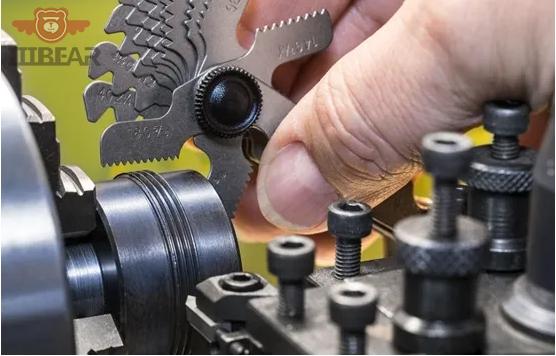
Understanding Thread Pitch: A Comprehensive Guide to Fastener Selection
Thread pitch is a critical parameter when choosing fasteners for any engineering project. It determines the spacing between threads on bolts, screws, and nuts, directly impacting their fit, performance, and durability. An improper selection of thread pitch can lead to poor fastening, damage to materials, and even failure in high-load applications. This guide will explore the essentials of thread pitch, helping procurement professionals and engineers make informed decisions when selecting fasteners for their projects.
Why Thread Pitch Matters
The correct thread pitch is vital for ensuring the strength and reliability of fasteners. The key pain points that engineers and procurement decision-makers often face are:
- Misalignment of fasteners: Using incorrect thread pitch can lead to difficulty during assembly or failure of the fastener under load.
- Thread stripping and wear: A mismatched thread pitch can cause fasteners to strip, reducing the lifespan of the product and risking system failure.
- Increased downtime and maintenance costs: Improperly matched thread pitch leads to frequent maintenance, delays, and increased operational costs.
In the following sections, we will explore how understanding thread pitch can solve these issues by providing solutions to selecting the right fasteners for your needs.
Product Analysis & Introduction: What is Thread Pitch?
Thread pitch refers to the distance between the threads on a screw, bolt, or nut. In simple terms, it measures how far apart the threads are from each other. Thread pitch is a crucial element in determining the holding power and load distribution capabilities of fasteners. There are two primary ways to express thread pitch:
- Metric threads: Measured in millimeters (mm), the pitch is the distance between the threads, typically referred to as the "metric pitch." For example, an M10x1.5 bolt has a 1.5mm distance between threads.
- Imperial threads: Measured in threads per inch (TPI), indicating how many threads are present in one inch of the bolt or screw. For example, a 3/8-16 bolt has 16 threads per inch.
The pitch plays a role in how the fastener performs in various applications, including load-bearing, vibration resistance, and ease of assembly. Selecting the right thread pitch for a project ensures that fasteners hold securely and are less likely to become loose under stress.
Typical Application Scenarios for Thread Pitch
The choice of thread pitch affects the performance of fasteners in different industries. Below are some typical applications where the right thread pitch is crucial:
| Application | Recommended Thread Pitch | Reason for Selection |
|---|---|---|
| Automotive | Coarse Thread (UNC) | Coarse threads provide a quicker assembly process and are more resistant to damage in high-vibration environments. |
| Aerospace | Fine Thread (UNF) | Fine threads provide a tighter fit, ensuring greater precision and strength in high-performance and lightweight applications. |
| Construction | Coarse Thread (UNC) | Coarse threads are ideal for heavy-duty, high-torque applications where ease of installation is a priority. |
| Electronics | Fine Thread (UNF) | Fine threads are used in small, delicate components requiring high precision and secure fastening without damaging sensitive materials. |
As seen above, different industries and application scenarios often require different thread pitches based on the performance demands of the project. The right thread pitch ensures fasteners work effectively, even in demanding environments.
Usage Considerations: Common Mistakes and Best Practices
Choosing the wrong thread pitch can lead to a variety of issues. Below are common mistakes and best practices to follow when selecting thread pitch:
- Mistake #1: Ignoring the material type – The material being fastened plays a significant role in determining thread pitch. Softer materials require coarse threads to prevent stripping, while harder materials can benefit from fine threads.
- Mistake #2: Using mismatched thread pitches – Using bolts, nuts, or screws with incompatible thread pitches can lead to ineffective fastening, stripped threads, or failure under load.
- Best Practice #1: Consider load and stress factors – Fine threads are better suited for high-load, high-stress environments, while coarse threads are ideal for general applications and those subject to vibration.
- Best Practice #2: Check for thread compatibility – Always ensure that the thread pitch on the bolt, nut, and mating surface match to avoid threading issues during assembly.
By following these best practices, procurement decision-makers and engineers can avoid costly mistakes and ensure the longevity and safety of their projects.
Quality Control Key Indicators
Quality control plays a critical role in ensuring the performance and reliability of fasteners. When assessing thread pitch quality, there are several key indicators to consider:
- Thread Accuracy: Thread pitch must be uniform and consistent along the length of the fastener. Any variation can cause issues with fitting and performance.
- Material Strength: The material used for manufacturing fasteners should match the application requirements. Stainless steel, titanium, and carbon steel are popular choices depending on the environment.
- Thread Tolerance: Tighter tolerances ensure a better fit, increasing the fastener's load-bearing capacity and reducing the risk of failure.
- Coating and Corrosion Resistance: In environments exposed to moisture or chemicals, coatings such as zinc or nickel plating can improve the fastener’s lifespan.
Testing methods, such as the ISO 9001 certification and industry standards like DIN and ANSI, help ensure that the fasteners meet required quality specifications. These certifications guarantee that the fasteners will perform reliably in their intended applications.
Conclusion: Selecting the Right Thread Pitch
In summary, understanding thread pitch is essential for selecting the right fasteners for various applications. By choosing the correct thread pitch, engineers and procurement professionals can ensure optimal performance, reduce downtime, and improve the longevity of their fasteners. Whether you’re dealing with automotive parts, aerospace components, or general construction, thread pitch is a crucial factor in ensuring secure and reliable fastening.
Selection Guide: When selecting the right thread pitch, always consider the material being fastened, the load requirements, and environmental factors. Coarse threads are ideal for general-purpose applications, while fine threads are better suited for precision and high-load environments.
For more information on thread pitch and other fastener-related queries, visit our homepage or contact us for expert guidance tailored to your needs.

