High-strength, Lightweight Titanium Alloy Fasteners
Titanium alloy fasteners are the industrial choice for their high strength and lightweight properties.
Advantages of Titanium Alloy Fasteners
Advantage 1: High strength combined with lightweight design
The density of titanium alloy is only 60% of that of steel, but its tensile strength can reach over 900 MPa, approaching or even exceeding the strength of steel, and it is more than twice as strong as iron. The lightweight feature enables titanium alloy fasteners to meet the high-strength requirements while significantly reducing the weight of equipment, especially suitable for fields with extremely high requirements for lightweight.
Advantage 2: Resistant to high temperatures and low temperatures
Titanium alloy fasteners can operate stably within a temperature range of -250℃ to 550℃, and still maintain excellent mechanical properties even in extremely low or high-temperature environments. Their thermal contraction rate is only half that of stainless steel, which gives titanium alloy fasteners a significant advantage in applications with high requirements for high-temperature stability.Advantage 3: Excellent corrosion resistance performance
Titanium alloys inherently possess a natural anti-corrosion protective layer, which can effectively resist corrosion in harsh environments such as seawater, acidic conditions, and chemical media. This characteristic makes titanium fasteners a more advantageous choice than stainless steel in highly corrosive environments.Advantage 4: Low magnetic property, excellent biocompatibility
The magnetic permeability of titanium alloys is only 1.00005. Therefore, they are highly suitable for use in fields that are sensitive to magnetism, such as precision instruments and electronic equipment. What's more, titanium alloys also possess excellent biocompatibility and do not cause rejection reactions in the human body, making them widely used in medical devices.
Common Titanium Alloy Materials and Their Characteristics
TA2 High Purity Titanium
TA2 is a high-purity titanium metal. Its strength is relatively low, but it has excellent corrosion resistance, good plasticity, and a low density. It is suitable for environments with high requirements for corrosion resistance and machinability, and is widely used in chemical equipment, marine equipment, etc.TC1 (Ti + AI + Mn) α-type titanium alloy
TC1 is an α-type titanium alloy. It possesses excellent process plasticity, welding performance and thermal stability. It is suitable for applications where formability and welding requirements are high. For instance, it is used in components such as turbine blades and compressor discs of aircraft engines.TC4 (Ti-6Al-4V) α+β type titanium alloy
TC4 is the most widely used two-phase titanium alloy. It has moderate strength and excellent comprehensive properties, and is suitable for manufacturing fasteners such as bolts, high-lock bolts, and drive pins.TB3 (Ti-10Mo-8V-1Fe-3.5Al) titanium alloy
TB3 is a metastable β-type titanium alloy. After solution treatment, it exhibits excellent cold formability and is suitable for manufacturing high-strength aerospace fasteners. Its strength can reach 1100 MPa.TC16 (Ti-3Al-5Mo-4.5V) titanium alloy
TC16 is a solid solution aging strengthened two-phase titanium alloy. It has high room-temperature plasticity and is suitable for cold heading forming. It is commonly used to manufacture fasteners such as bolts, screws, and self-locking nuts.TC6 (Ti-6Al-2Sn-4Zr-2Mo) titanium alloy
TC6 is a type of titanium-aluminum alloy. It possesses excellent high-temperature strength and corrosion resistance, making it suitable for use in high-temperature and high-load environments. It is commonly used in aircraft engines and high-strength structural components.
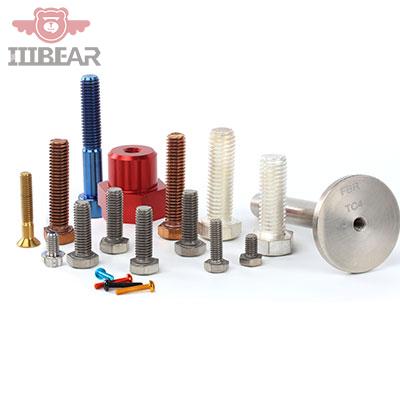
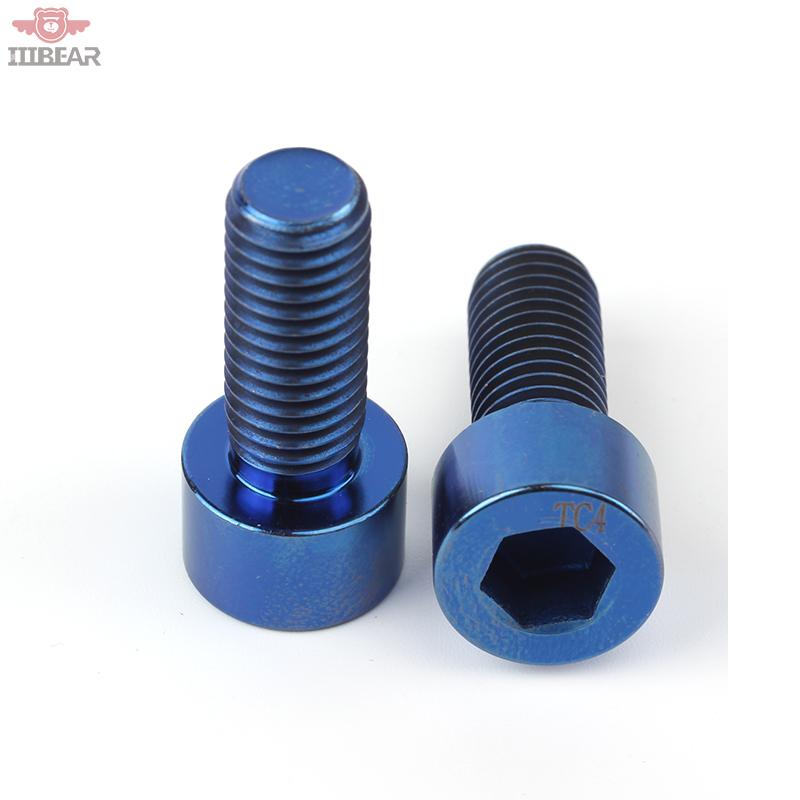
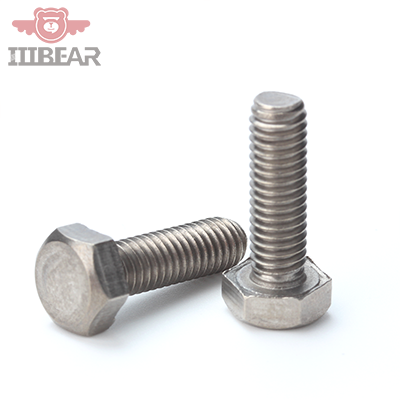
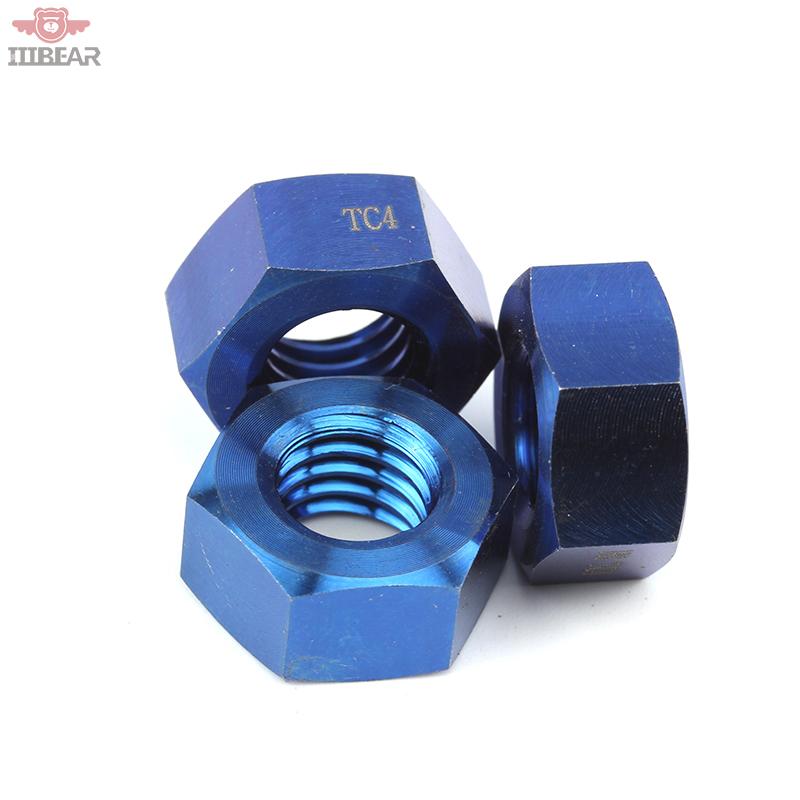
Common titanium alloy fasteners display:
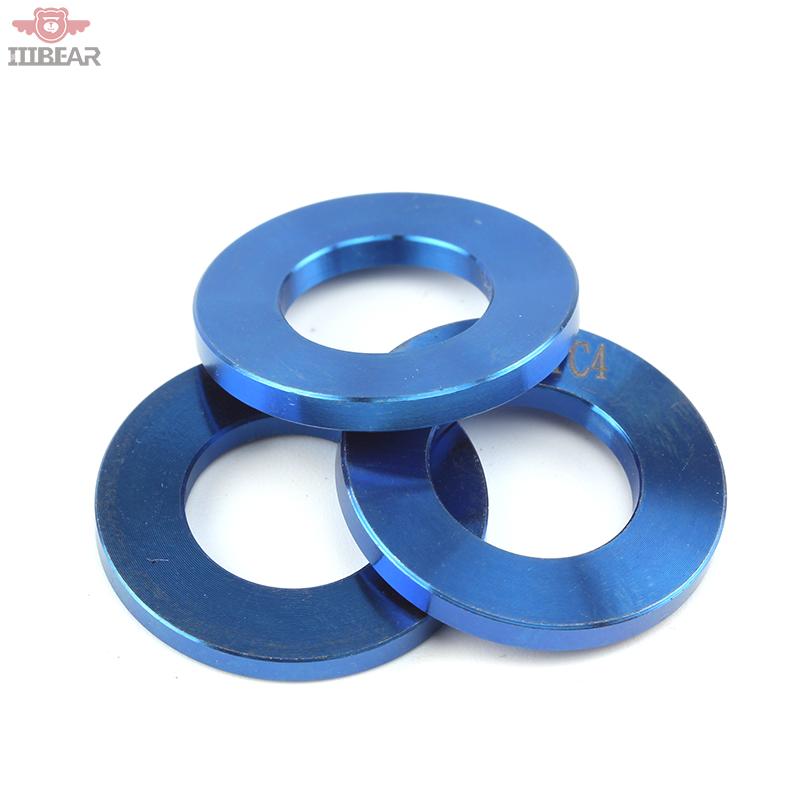
Surface treatment of titanium alloy fasteners
The surface treatment of titanium alloys generally includes: anodizing for coloring, nitriding treatment, and coating, etc.
1. Anodic Oxidation Coloring
2. Nitriding Treatment
3. Specialized Coatings
Titanium Alloys in High-Tech Industries
Nicknamed "smart metal," titanium alloy fasteners are pivotal in high-end sectors like aerospace, automotive manufacturing, marine engineering, and medical devices. They enable tech-driven enterprises to elevate product performance through advanced fastener solutions.

Related products: Special Material Fasteners

